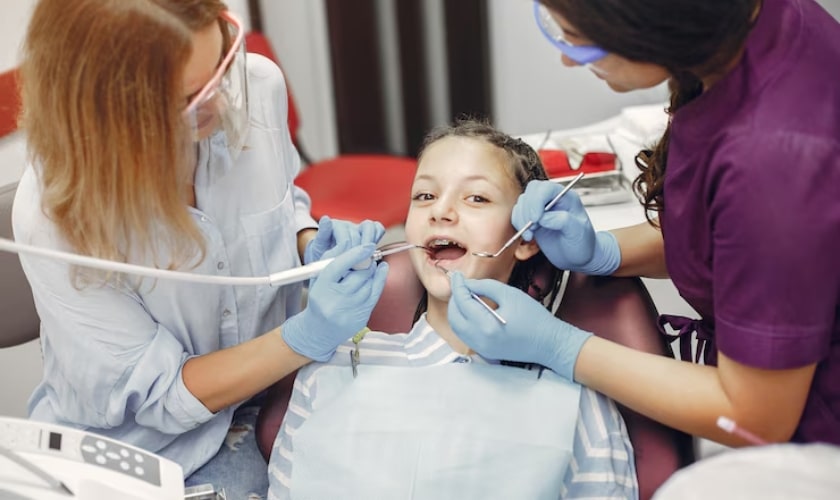



Pediatric Dentistry San Antonio: Comparing Your Child’s Best Options
Choosing the right dental care for your child is one of the most important decisions you can make. Pediatric Dentistry San Antonio families rely on covers a wide range of treatments and approaches. With so many options available, parents often wonder which path makes the most sense for their child’s smile. Dr. Yusif Mohammad and the team at Little Dental Pediatric Dentistry are here to help you understand your choices clearly.
What Is Pediatric Dentistry and Why Does It Matter?
Pediatric dentistry is a specialized branch of dental care designed specifically for children. It covers everything from routine cleanings to more complex procedures like crowns and extractions. These specialists understand how children’s teeth grow and how to make visits comfortable for young patients.
General family dentists can sometimes treat children, but pediatric dentists receive two to three additional years of training. This training focuses on child behavior, growth patterns, and age-appropriate treatments. That extra expertise makes a real difference for anxious kids or those with complex dental needs.
Here in San Antonio, families have access to dedicated pediatric dental offices that create child-friendly environments. A welcoming space reduces fear and builds positive dental habits early. Starting care young sets the foundation for a lifetime of healthy smiles.
Pediatric Dentistry San Antonio: Comparing Approaches to Children’s Dental Care
When your child needs dental treatment, you may face a choice between different approaches. Two common comparisons parents encounter are preventive care versus restorative treatment and traditional treatment versus sedation dentistry. Understanding each option helps you make an informed decision alongside your child’s dentist.
Preventive Care vs. Restorative Treatment
Preventive care focuses on stopping problems before they start. Restorative treatment addresses issues that have already developed, like cavities or damaged teeth.
Preventive Care — Pros:
- Stops decay before it becomes a bigger problem
- Usually less invasive and more comfortable for children
- Includes regular cleanings, fluoride treatments, and sealants
- Builds healthy habits from an early age
- Typically requires fewer appointments over time
Preventive Care — Cons:
- Requires consistent visits every six months
- Cannot reverse damage that has already occurred
- May feel unnecessary to parents if no symptoms are visible
Restorative Treatment — Pros:
- Addresses existing decay, cracks, or damage directly
- Dental crowns can save a badly damaged tooth
- Tooth extractions remove sources of pain or infection
- Restores proper chewing function for your child
Restorative Treatment — Cons:
- More involved procedures may require multiple visits
- Can be more stressful for young or anxious children
- Treating existing problems is typically more complex than preventing them
Traditional Treatment vs. Sedation Dentistry
Some children handle dental visits with ease. Others experience significant anxiety or have difficulty sitting still. For these kids, sedation dentistry offers a valuable alternative to traditional awake treatment.
Traditional Treatment — Pros:
- No sedation medications are involved
- Recovery is immediate with no lingering drowsiness
- Works well for cooperative children with minor needs
Traditional Treatment — Cons:
- Can be difficult for highly anxious children
- May not be suitable for children with sensory sensitivities
- Multiple appointments may be needed for complex cases
Sedation Dentistry — Pros:
- Allows dentists to complete more work in a single visit
- Reduces fear and trauma associated with dental procedures
- Ideal for children with special healthcare needs
- Keeps children comfortable throughout longer procedures
Sedation Dentistry — Cons:
- Requires fasting before the appointment
- Children may feel groggy afterward for a short time
- Not every child will need or qualify for sedation
San Antonio Families: Why Timing Your Child’s Visit Matters
Late spring is one of the best times to schedule a dental checkup for your child. With school winding down across San Antonio, summer schedules open up and appointments are easier to fit in. Many families use May and early June to get cleanings and checkups done before vacation season begins.
San Antonio’s hot, humid climate also plays a role in oral health. Children tend to drink more sugary sports drinks and sodas when temperatures climb. That extra sugar exposure increases cavity risk, making a pre-summer cleaning especially important.
Whether your child is finishing elementary school or heading off to a graduation ceremony, a healthy smile matters. Starting the summer with a clean checkup means fewer surprises during the busy months ahead. Our team at Little Dental makes scheduling easy for busy San Antonio families. Reach out to our team to find a time that works for you.
How to Decide Which Approach Is Right for Your Child
Every child’s dental needs are unique. The best treatment plan depends on your child’s age, dental health, anxiety level, and specific concerns. No single approach fits every family.
Here are a few guiding questions to help you think it through:
- Does your child have any existing decay or damage that needs treatment?
- How does your child typically respond to dental visits?
- Has your child’s dentist recommended a specific approach?
- Are there any medical or behavioral conditions to consider?
A conversation with Dr. Yusif Mohammad is the most reliable starting point. During a thorough evaluation, he assesses your child’s current dental health and listens to your concerns. From there, he recommends an approach that fits your child’s needs — not a one-size-fits-all solution.
If your child has never seen a pediatric dentist, starting with a routine exam is always a smart first step. Learn more about what our practice offers by visiting our services page. You can also explore our about page to get to know Dr. Mohammad and our team before your first visit.
Frequently Asked Questions
At what age should my child first see a pediatric dentist?
The American Academy of Pediatric Dentistry recommends scheduling your child’s first dental visit by their first birthday or within six months of their first tooth appearing. Early visits help establish healthy habits and let the dentist monitor development from the start.
How is a pediatric dentist different from a general dentist?
Pediatric dentists complete two to three years of additional training after dental school. This training focuses on child development, behavior management, and age-appropriate treatments. They also design their offices specifically to be welcoming and calming for young patients.
Is sedation dentistry safe for children?
Yes, sedation dentistry is safe when administered by a trained dental professional. Dr. Yusif Mohammad carefully evaluates each child before recommending sedation. The type and level of sedation are always matched to the child’s age, health, and procedure needs.
How often should my child get a teeth cleaning?
Most children benefit from a professional cleaning every six months. Some kids with higher cavity risk may need more frequent visits. Your child’s dentist will recommend a schedule based on their individual needs and dental history.
What should I do if my child has a dental emergency in San Antonio?
Contact Little Dental Pediatric Dentistry as soon as possible. We offer emergency dentistry services to address urgent needs like knocked-out teeth, severe toothaches, or dental injuries. Acting quickly can make a significant difference in the outcome for your child’s tooth.
Your child’s smile deserves dedicated, compassionate care from a team that truly understands pediatric dentistry San Antonio families can trust. Dr. Yusif Mohammad and the Little Dental team are ready to guide you through every stage of your child’s dental health journey. Book Now to schedule your appointment with our team.