



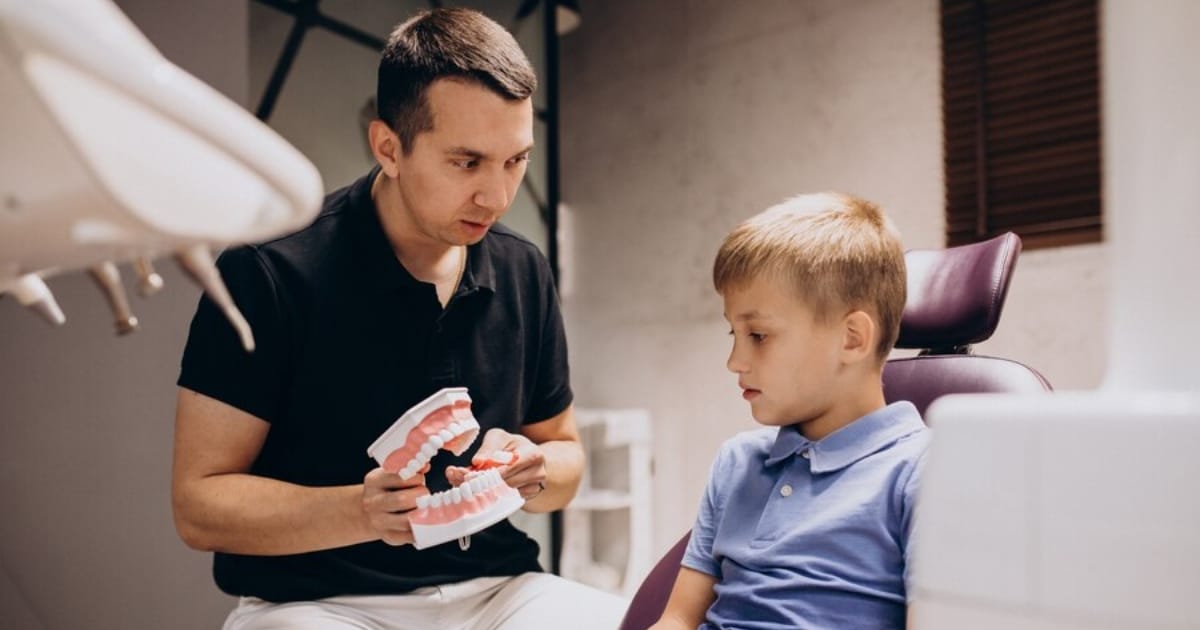
A pulpotomy is a common dental procedure aimed at saving a decayed or infected tooth by removing infected pulp tissue. While the procedure is typically performed in a dental office, proper at-home care is crucial for ensuring a smooth recovery and maintaining your child’s dental health. Here are some helpful tips to guide you through the post-pulpotomy care process:
Understanding Pulpotomy Recovery
First things first, it’s essential to understand what to expect during the recovery period. After a pulpotomy, your child’s tooth may be sensitive to hot or cold temperatures, and they might experience mild discomfort or pain for a few days. This is normal and should gradually improve as the tooth heals. However, if the pain persists or worsens, it’s important to contact your dentist in San Antonio for further evaluation.
Maintaining Oral Hygiene
Proper oral hygiene is crucial for preventing complications and promoting healing after a pulpotomy. Motivate your child to maintain their oral hygiene routine by brushing their teeth twice daily using a soft-bristled toothbrush and fluoride toothpaste. Be gentle around the treated tooth to avoid causing any irritation. Furthermore, encourage them to incorporate daily flossing into their routine to remove plaque and food debris lodged between their teeth effectively.
Watching What Your Child Eats
During the recovery period, it’s best to stick to soft or liquid foods that are easy to chew and won’t put too much pressure on the treated tooth. Choose foods such as yogurt, mashed potatoes, soup, and smoothies as suitable options during the recovery period. Avoid hard, sticky, or crunchy foods that could potentially dislodge the temporary filling or cause discomfort. As your child’s tooth heals, gradually reintroduce solid foods into their diet.
Managing Discomfort
It’s normal for your child to experience some discomfort after a pulpotomy, but there are several ways to help alleviate their pain.
Consider using over-the-counter pain relievers like acetaminophen or ibuprofen, as they are effective in alleviating both pain and inflammation.
Be sure to follow the recommended dosage instructions based on your child’s age and weight. Additionally, applying a cold compress to the outside of their cheek can help numb the area and provide relief.
Monitoring for Signs of Infection
While rare, it’s important to monitor for any signs of infection following a pulpotomy in San Antonio. Watch out for symptoms such as severe or worsening pain, swelling, redness, or fever. If you notice any of these signs, contact your dentist immediately for further evaluation and treatment. Prompt intervention is essential for preventing the spread of infection and ensuring your child’s continued oral health.
Following Up with Your Dentist
Regular follow-up appointments with your dentist are crucial for monitoring your child’s progress and ensuring that their tooth is healing properly. Your dentist will check the treated tooth, remove any temporary fillings, and place a permanent restoration if necessary. They will also assess your child’s overall oral health and address any concerns or questions you may have about their recovery.
Caring for your child’s tooth at home after a pulpotomy in San Antonio requires patience, diligence, and proper oral hygiene practices. By following these tips and guidelines, you can help ensure a smooth recovery and promote long-term dental health for your child. Remember to reach out to your dentist if you have any questions or concerns along the way. With the right care and attention, your child’s smile will be shining bright in no time!
As a parent, it’s understandable to feel concerned about your child’s dental health, especially after they undergo a procedure like a pulpotomy. However, with the right knowledge and guidance, you can provide the support and care they need to ensure a successful recovery. Remember to be patient and attentive to your child’s needs, and don’t hesitate to reach out to your dentist if you have any questions or concerns. With proper care and attention, your child’s tooth will be on the road to recovery in no time!