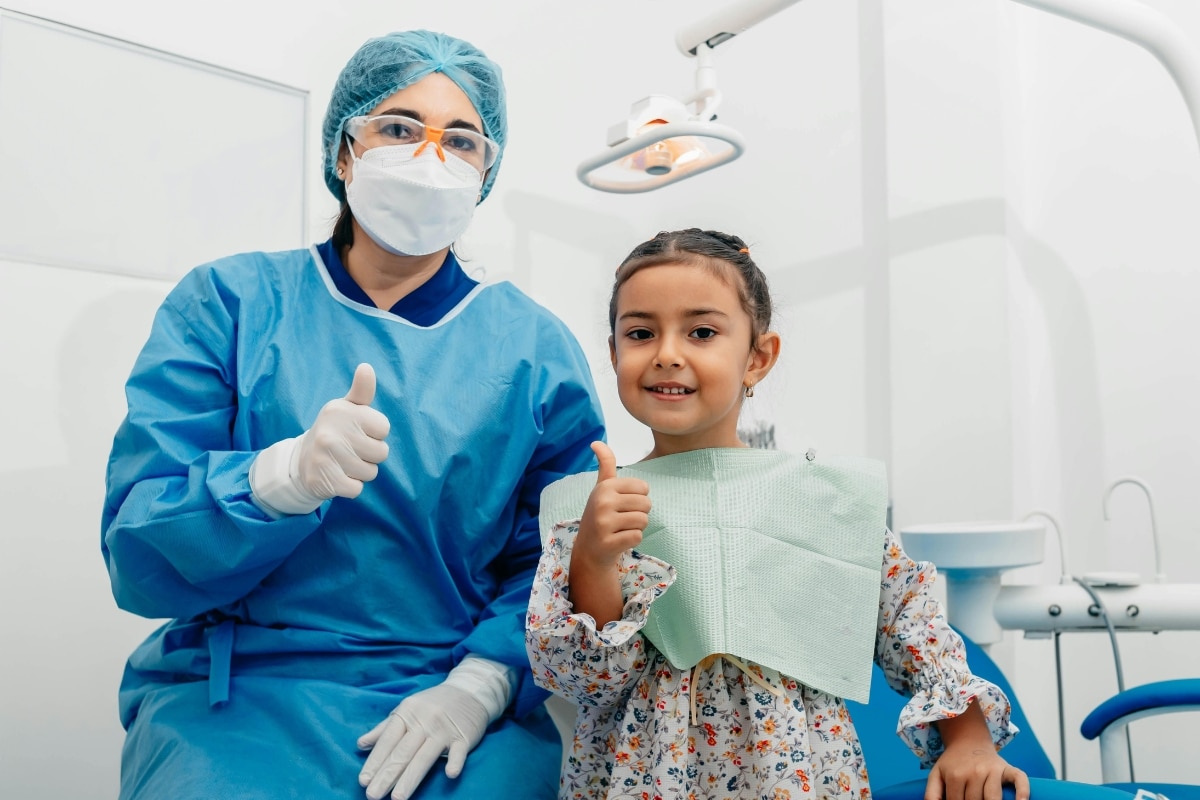



Taking your child to a dental care center can be challenging for children with autism. Sensory sensitivities and anxiety can make routine dental visits overwhelming. Sedation dentistry in San Antonio offers a potential solution. It provides a way to ensure that children receive necessary dental treatments in a more comfortable and manageable environment. This blog explores sedation dentistry for children with autism, helping parents understand its benefits, considerations, and effectiveness.
Understanding Autism and Dental Anxiety
Children with autism often experience heightened anxiety in unfamiliar environments. The dental office can feel particularly intimidating due to sounds, smells, and bright lights.
- Sensory Overload: Many children with autism have sensory sensitivities, which can overwhelm them with the sounds of dental tools, bright lights, and unfamiliar smells.
- Communication Challenges: Expressing discomfort or fear can be difficult. This lack of communication may increase anxiety for both the child and the dentist.
Understanding these challenges is crucial in determining whether sedation dentistry is appropriate.
What Is Sedation Dentistry?
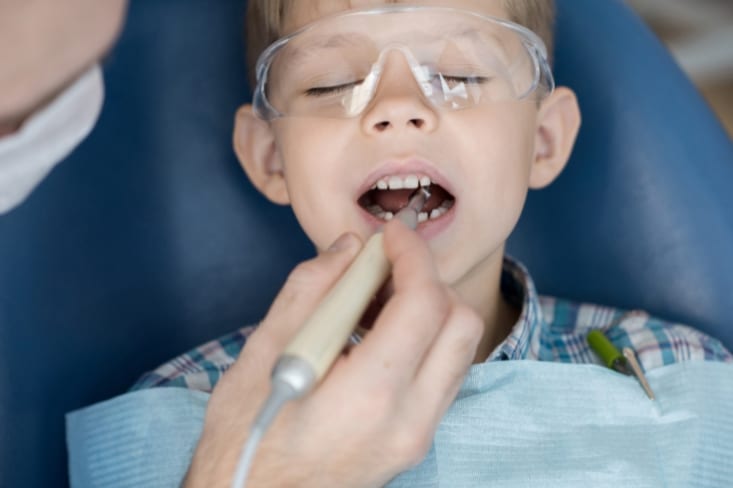
Sedation dentistry involves using medication to help patients relax during dental procedures. This approach can be especially beneficial for children with autism who experience anxiety.
- Types of Sedation: Common methods include nitrous oxide (laughing gas), oral sedation, and intravenous (IV) sedation, each with varying levels of sedation.
- Controlled Environment: The goal is to create a controlled and calming environment for the child.
Consulting a dentist experienced in sedation dentistry in San Antonio can help determine the best method for your child.
Benefits of Sedation Dentistry for Children with Autism
Sedation dentistry can offer several advantages for children with autism:
- Reduced Anxiety: Sedation helps alleviate anxiety, allowing for a more relaxed dental experience.
- Increased Cooperation: A sedated child is often more cooperative, making it easier for the dentist to perform necessary procedures.
- Fewer Interruptions: Procedures can proceed without frequent interruptions, reducing the overall time spent in the dental chair.
These benefits contribute to a positive dental experience, encouraging regular dental visits.
Safety Considerations for Sedation Dentistry
While sedation dentistry is generally safe, parents must consider several factors:
- Medical History: Share your child’s medical history with the dentist. This includes allergies, medications, and any previous reactions to sedation.
- Qualified Professionals: Ensure that the dental team is trained and experienced in administering sedation, especially for children with special needs.
- Monitoring: During the procedure, a trained professional should monitor the child’s vital signs to ensure safety.
Understanding these safety measures can provide peace of mind for parents.
Finding the Right Dentist in San Antonio
Not all dental practices offer sedation dentistry, especially for children with autism. When searching for the right dentist, consider the following:
- Experience with Special Needs: Look for a dentist who has experience working with children on the autism spectrum. They should understand the unique challenges and requirements.
- Sedation Options: Inquire about the sedation methods available. Different children may respond better to certain types.
- Facility Environment: Visit the dental office beforehand. A welcoming, child-friendly environment can help reduce anxiety.
Finding the right dentist can significantly impact your child’s dental experience.
Preparing Your Child for the Visit
Preparation can help ease anxiety before the appointment. Here are some tips:
- Talk About It: Discuss the dental visit with your child simply. Explain what to expect and why it’s necessary.
- Practice Relaxation Techniques: Teach your child calming techniques, such as deep breathing or visualization. These can be useful during the appointment.
- Familiar Objects: Please allow your child to bring a comforting item, such as a favorite toy or blanket, to the appointment.
Preparation can empower your child and create a more positive dental experience.
Post-Procedure Care and Follow-Up
After the dental procedure, proper care is essential.
- Monitoring Recovery: Sedation can affect children differently. Monitor your child closely as they wake up from sedation.
- Hydration and Nutrition: Encourage your child to drink water and eat light foods when ready.
- Follow-Up Visits: Regular dental check-ups are crucial for maintaining oral health. During follow-up visits, discuss any concerns with your dentist.
Sedation dentistry in San Antonio can be a valuable option for children with autism. It addresses dental anxiety, promotes cooperation, and enhances the overall dental experience. However, it is essential to consult with a qualified dentist experienced in working with children on the autism spectrum. By understanding the benefits, safety considerations, and preparation strategies, parents can make informed decisions about sedation dentistry for their children. With the right approach, dental visits can become less daunting, ensuring children receive the care they need while promoting a positive attitude toward oral health.