



Teaching children to brush their teeth properly is a crucial part of their overall health and hygiene. Good oral hygiene habits established early on can lead to a lifetime of healthy teeth and gums. As a parent or caregiver, you play a significant role in guiding your child through the process of brushing their teeth correctly. A pediatric dentist can provide additional insights and professional advice to ensure that your child develops effective brushing habits.
The Importance of Proper Brushing
Proper brushing is vital for maintaining oral health. Here’s why:
- Prevents Cavities: Brushing removes plaque, a sticky film of bacteria that can cause cavities. Regular brushing helps prevent tooth decay by keeping the surfaces of the teeth clean.
- Reduces Gum Disease: Plaque buildup can lead to gum disease if not removed regularly. Proper brushing helps prevent gingivitis and other gum-related issues by keeping the gumline clean.
- Promotes Fresh Breath: Regular brushing helps eliminate bad breath caused by food particles and bacteria. It also helps maintain overall freshness and cleanliness of the mouth.
Steps to Teach Kids to Brush Their Teeth Properly
1. Start Early
- Begin with a Routine: Begin brushing your child’s teeth as soon as they emerge. For infants, use a soft, damp cloth to wipe the gums and teeth. Once they have a few teeth, introduce a soft-bristled toothbrush and a tiny smear of fluoride toothpaste.
2. Choose the Right Toothbrush and Toothpaste
- Age-Appropriate Tools: Select a toothbrush that is appropriate for your child’s age. For young children, a small-headed toothbrush with soft bristles is ideal. Choose fluoride toothpaste in a flavor that your child likes to encourage them to brush.
3. Demonstrate Proper Technique
- Show and Tell: Demonstrate the correct brushing technique by brushing your teeth in front of your child. Use simple terms to explain each step, such as “brush in small circles” and “make sure to reach all the surfaces of your teeth.”
4. Supervise and Assist
- Hands-On Help: Initially, your child will need help brushing their teeth. Guide their hand and gently assist with brushing until they develop the coordination to brush effectively on their own. Supervise their brushing routine to ensure they are using the correct technique.
5. Make Brushing Fun
- Use Games and Rewards: Turn brushing into a fun activity by incorporating games or using a timer. Some parents find that using a reward system, like a sticker chart, motivates their child to brush regularly and properly.
6. Teach the Four Key Steps of Brushing
- Brushing the Outer Surfaces: Instruct your child to brush the outer surfaces of their teeth using small, gentle circles. Make sure they cover all the teeth and not just the front ones.
- Brushing the Inner Surfaces: Guide your child to brush the inner surfaces of their teeth, where plaque and bacteria can also accumulate. Remind them to use a gentle touch to avoid damaging their gums.
- Brushing the Chewing Surfaces: Ensure your child brushes the chewing surfaces of their molars thoroughly. These surfaces are prone to plaque buildup due to food particles getting trapped in the grooves.
- Brushing the Tongue: Explain the importance of brushing the tongue to remove bacteria and help maintain fresh breath. A soft brushing of the tongue can also be part of their routine.
7. Set a Routine
- Twice Daily Brushing: Encourage your child to brush their teeth twice a day—once in the morning and once before bed. Consistency helps build good habits and ensures their teeth remain clean and healthy.
8. Regular Dental Check-Ups
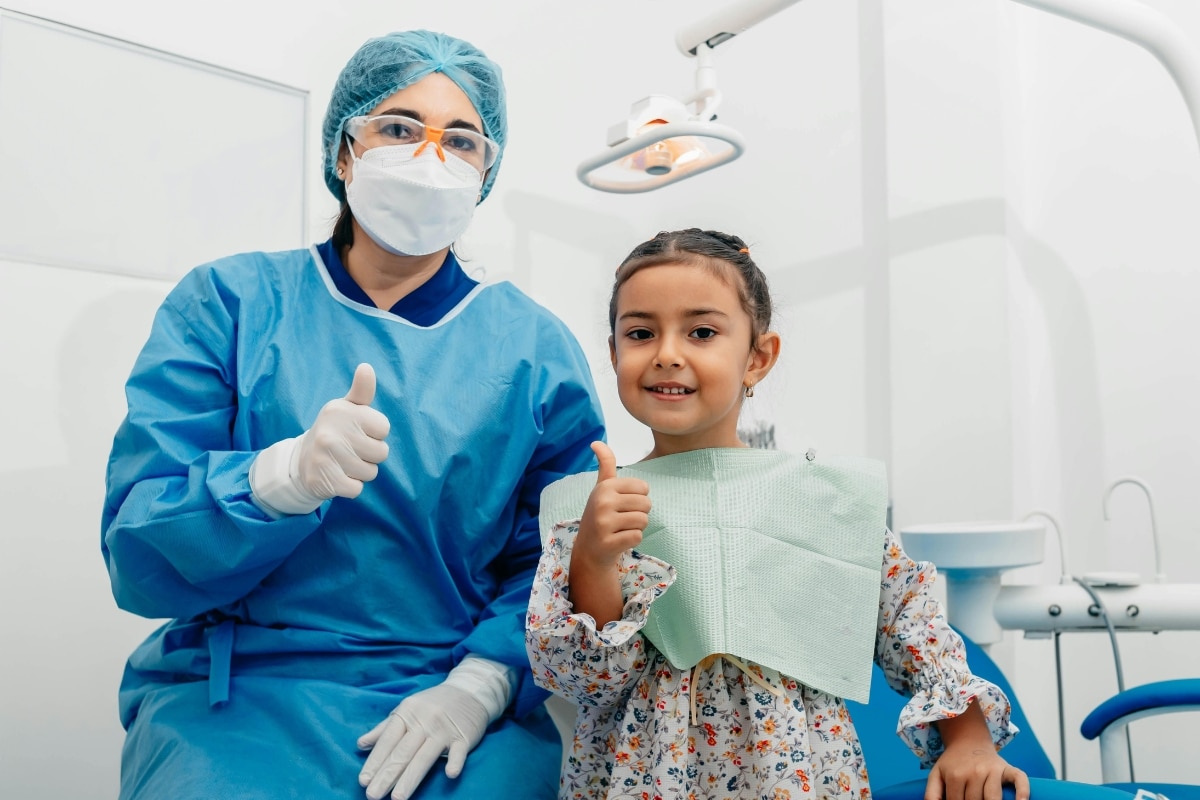
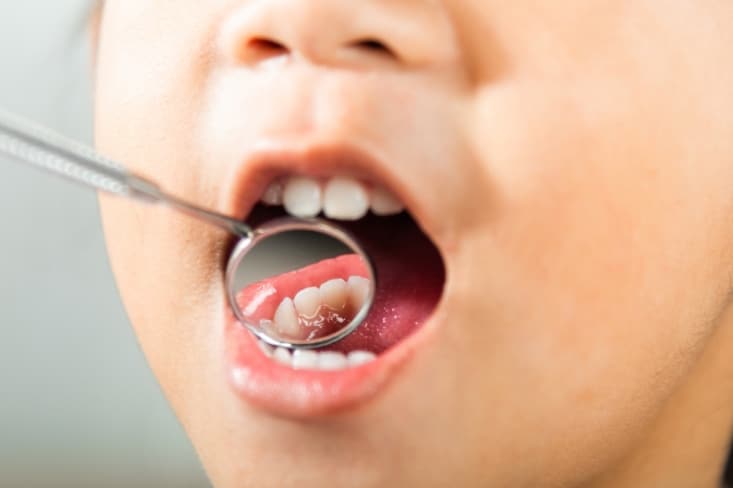
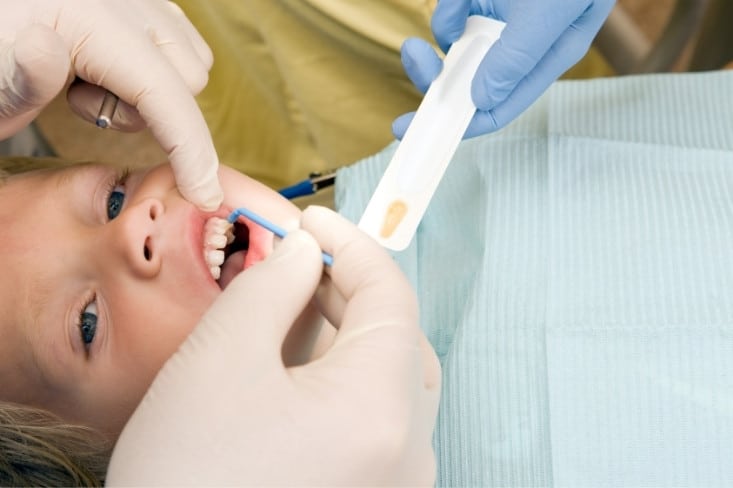
- Consult a Pediatric Dentist: Regular visits to a pediatric dentist in San Antonio can help ensure that your child’s brushing technique is effective and that their oral health is on track. The dentist can offer professional advice, address any issues, and provide additional guidance on maintaining good oral hygiene.
Common Challenges and Solutions
1. Short Attention Span
- Use a Timer: To keep your child engaged during brushing, use a timer set for two minutes. Many children’s toothbrushes come with built-in timers or fun songs to help keep track of brushing time.
2. Resistance to Brushing
- Offer Choices: Allow your child to choose their toothbrush and toothpaste to give them a sense of control. If they resist brushing, try to find a brushing routine that works for both of you and make it a positive experience.
3. Lack of Motivation
- Incorporate Fun: Use brushing apps or videos designed for children to make brushing more enjoyable. Engaging your child with interactive tools can make the routine more appealing and less of a chore.
When To Visit a Pediatric Dentist?
Regular check-ups with a pediatric dentist in San Antonio are essential for maintaining your child’s oral health. A pediatric dentist can:
- Assess Brushing Technique: Evaluate your child’s brushing technique and provide feedback to ensure they are brushing effectively.
- Address Concerns: Identify any potential dental issues early and provide recommendations for improving oral hygiene.
- Offer Professional Guidance: Provide personalized advice and strategies to help your child develop and maintain good brushing habits.
Teaching children to brush their teeth properly is a fundamental aspect of their oral health. By starting early, demonstrating the correct technique, making brushing fun, and regularly consulting with a pediatric dentist in San Antonio, you can help your child build healthy dental habits that will benefit them for years to come. Proper brushing not only promotes a bright and healthy smile but also instills a sense of responsibility for their own oral hygiene.