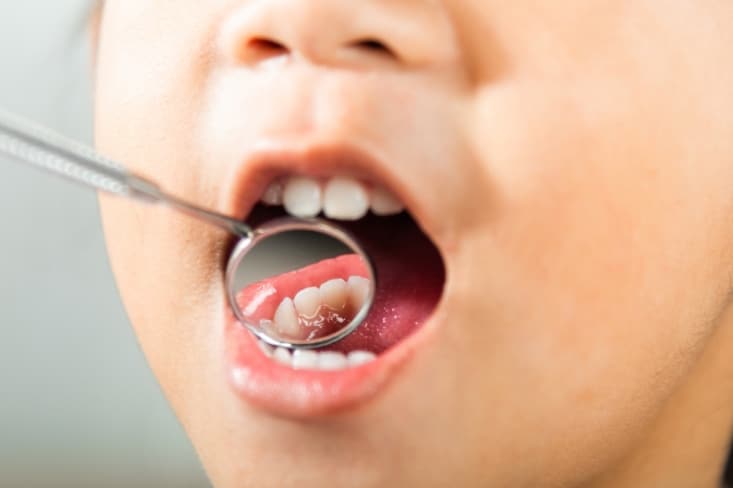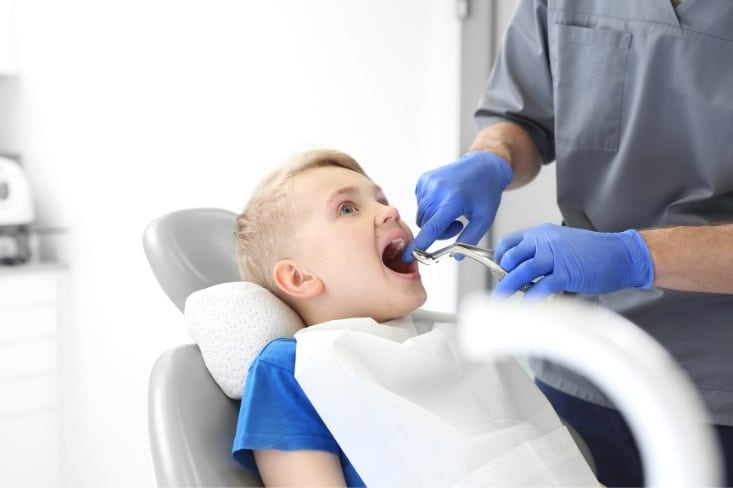




When it comes to dental problems in children, pediatric dentists are the superheroes. These dental professionals specialize in providing dental care to kids, ensuring their oral health from infancy through the teenage years. Handling dental problems in children requires a unique approach, blending expertise in dentistry with understanding and patience to ensure a positive experience for young patients. Let’s delve into how pediatric dentists manage kids who have dental issues with skill and compassion.
Creating a Comfortable Environment
Pediatric dentists understand that visiting the dentist can be intimidating for children. Hence, they strive to create a welcoming and child-friendly atmosphere in their clinics. From colorful waiting areas to friendly staff, every aspect of the environment is designed to put children at ease. This helps in reducing anxiety and fear associated with dental visits, making it easier for kids to communicate their concerns.
Building Trust and Rapport
Building trust is crucial in pediatric dentistry. Dentists take the time to establish a rapport with young patients, explaining procedures simply and reassuringly. By earning the child’s trust, pediatric dentists can conduct examinations and treatments more effectively. They often use age-appropriate language and engage children in conversation to make them feel comfortable and involved in their dental care.
Gentle Approach to Treatment
Pediatric dentists employ gentle techniques when treating children with dental problems. They understand that children may have heightened sensitivity and fear of pain, so they prioritize minimizing discomfort during procedures. Techniques such as using topical numbing agents, distraction techniques, and employing child-sized instruments help ensure a smooth and pain-free experience for the little ones.
Tailored Treatment Plans
Each child is unique, and so are their dental needs. Pediatric dentists create customized treatment plans based on the child’s age, dental condition, and individual preferences. Whether it’s addressing cavities, misaligned teeth, or gum disease, the treatment approach is tailored to suit the child’s specific requirements. This personalized approach ensures optimal results while accommodating the child’s comfort and convenience.
Educating Children and Parents
Education plays a vital role in pediatric dentistry. Dentists not only treat dental problems but also educate children and parents about the importance of oral hygiene and preventive care. They demonstrate proper brushing and flossing techniques, discuss the impact of diet on dental health, and emphasize the need for regular dental check-ups. By empowering children and parents with knowledge, pediatric dentists promote lifelong habits for maintaining healthy smiles.
Incorporating Behavior Management Techniques
Managing children’s behavior during dental appointments can be challenging, especially for those with dental anxiety or special needs. Pediatric dentists are trained in various behavior management techniques to address these challenges effectively. Techniques such as positive reinforcement, distraction, and the tell-show-do approach help calm anxious children and facilitate cooperation during procedures.
In some cases, children may require specialized care for complex dental issues. Pediatric dentists collaborate closely with other dental specialists, such as orthodontists, oral surgeons, and pediatricians, to ensure comprehensive treatment. This multidisciplinary approach allows for seamless coordination of care, ensuring the best possible outcomes for children with complex dental problems.
Pediatric dentists play a crucial role in managing dental problems in children with care and expertise. By creating a comfortable environment, building trust, employing gentle techniques, and providing tailored treatment plans, they ensure a positive dental experience for young patients. Through education, behavior management, and collaboration with specialists, pediatric dentists strive to promote optimal oral health and beautiful smiles in children.