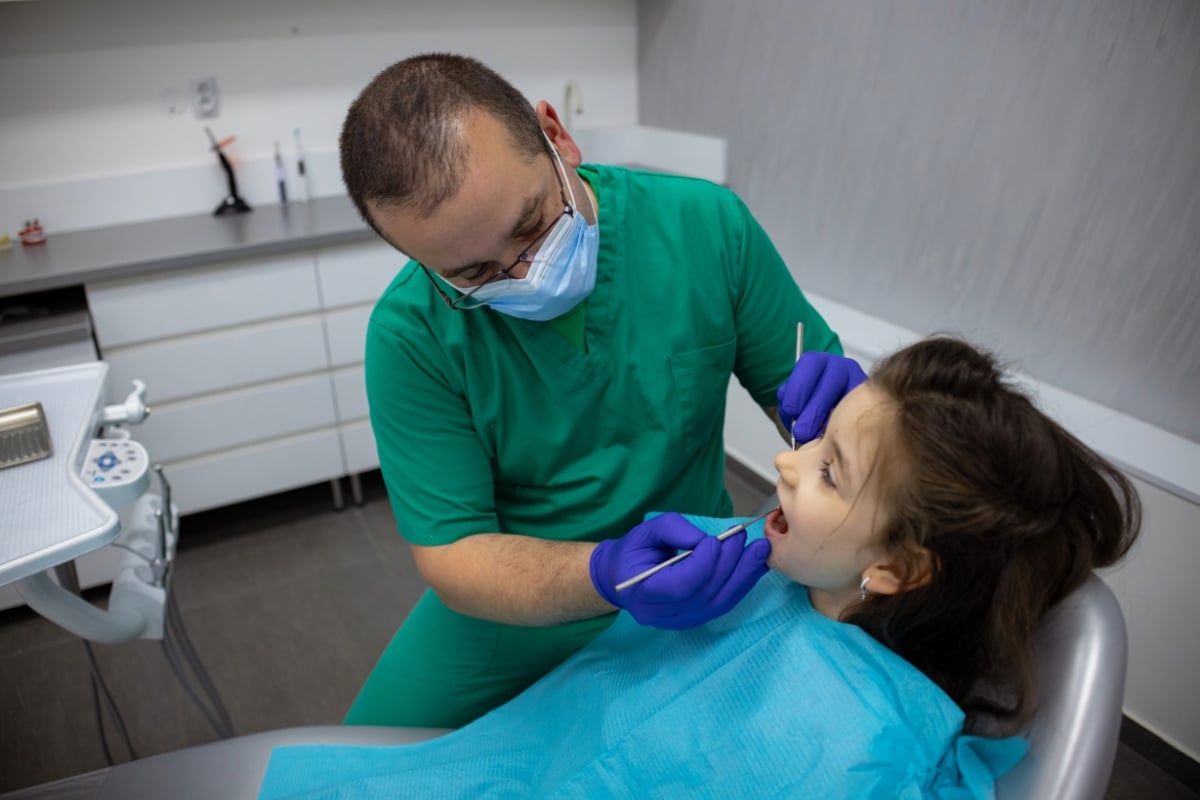




Ensuring the health and well-being of our children encompasses various facets of care, and one often underestimated yet crucial aspect is preventive dental care. As the gateway to overall health, maintaining optimal oral hygiene in childhood lays the foundation for a lifetime of healthy smiles. In this blog, we delve into the significance of preventive dental care for children, shedding light on its benefits, common dental issues, and practical tips for parents.
What is Preventive Dental Care?
It refers to proactive measures to maintain optimal oral health and prevent potential dental issues. It involves regular dental check-ups, practicing good oral hygiene, and adopting habits that contribute to the overall well-being of a child’s teeth and gums.
Benefits of Preventive Dental Care for Children
1. Early Dental Problem Identification and Prevention:
One of the primary advantages is the early identification and prevention of dental problems. Regular check-ups allow dentists to detect issues like tooth decay, cavities, or malocclusion early, preventing them from escalating into more severe problems.
2. Developing Good Oral Hygiene Habits:
Instilling good oral hygiene habits in children is crucial for their long-term dental health. Regular dental visits and routine oral care at home, such as proper brushing and flossing techniques, contribute to developing habits that last a lifetime.
3. Cost-Effective in the Long Run:
Preventive dental care is not just an investment in oral health; it’s also a cost-effective approach. Detecting and addressing dental issues early on can save families from the financial burden of extensive dental treatments that may be required if problems are left unattended.
Common Dental Problems in Children and How Preventive Care Can Help
1. Tooth Decay and Cavities
Tooth decay is a prevalent issue among children, often stemming from poor oral hygiene and dietary habits. Preventive dental care, including regular cleanings and fluoride treatments, can significantly reduce the risk of cavities and decay.
2. Malocclusion (Crooked Teeth):
Malocclusion, or misalignment of teeth, can affect a child’s bite and oral health. Early intervention through preventive measures such as orthodontic evaluations can address these issues before they become more challenging to correct.
3. Gum Disease:
While gum disease is typically associated with adults, children can also be susceptible. Preventive dental care, including professional cleanings and teaching proper gum care, prevents gum disease and maintains healthy gums.
Also Read: Common Dental Emergencies In Kids
Oral Health Tips For Parents For Their Little Ones:
1. Start Early: When your child turns one year old or their first tooth appears, visit a dentist.
2. Encourage Healthy Habits: Teach your child proper brushing and flossing techniques and encourage a balanced diet that promotes dental health.
3. Regular Dental Check-ups: Ensure your child attends regular dental check-ups as their dentist recommends, even if they don’t exhibit any apparent issues.
4. Monitor Fluoride Intake: Ensure your child receives an adequate amount of fluoride, either through water, toothpaste, or supplements, as the dentist recommends.
Prioritizing preventive dental care for children is an investment in their overall well-being, setting the stage for a lifetime of healthy smiles. By understanding the importance of early detection, developing good oral hygiene habits, and considering the long-term cost-effectiveness, parents can actively contribute to their children’s optimal oral health and ensure they carry bright smiles into adulthood.