


If you live in Hollywood Park and have wondered what actually happens at your child’s dental checkup, you are not alone. Many parents feel uncertain about what to expect. Understanding inside your child’s dental checkup — what happens each visit in Hollywood Park — can ease anxiety for both you and your little one. At Little Dental Pediatric Dentistry San Antonio, Dr. Yusif Mohammad and his team make every visit calm, clear, and child-friendly.
How the Visit Begins: Welcoming Your Child in Hollywood Park
Every great checkup starts before the dentist even enters the room. Our front-desk team greets your child warmly by name. We design our reception area to feel fun and inviting for kids of all ages. This small step sets a relaxed tone for everything that follows.
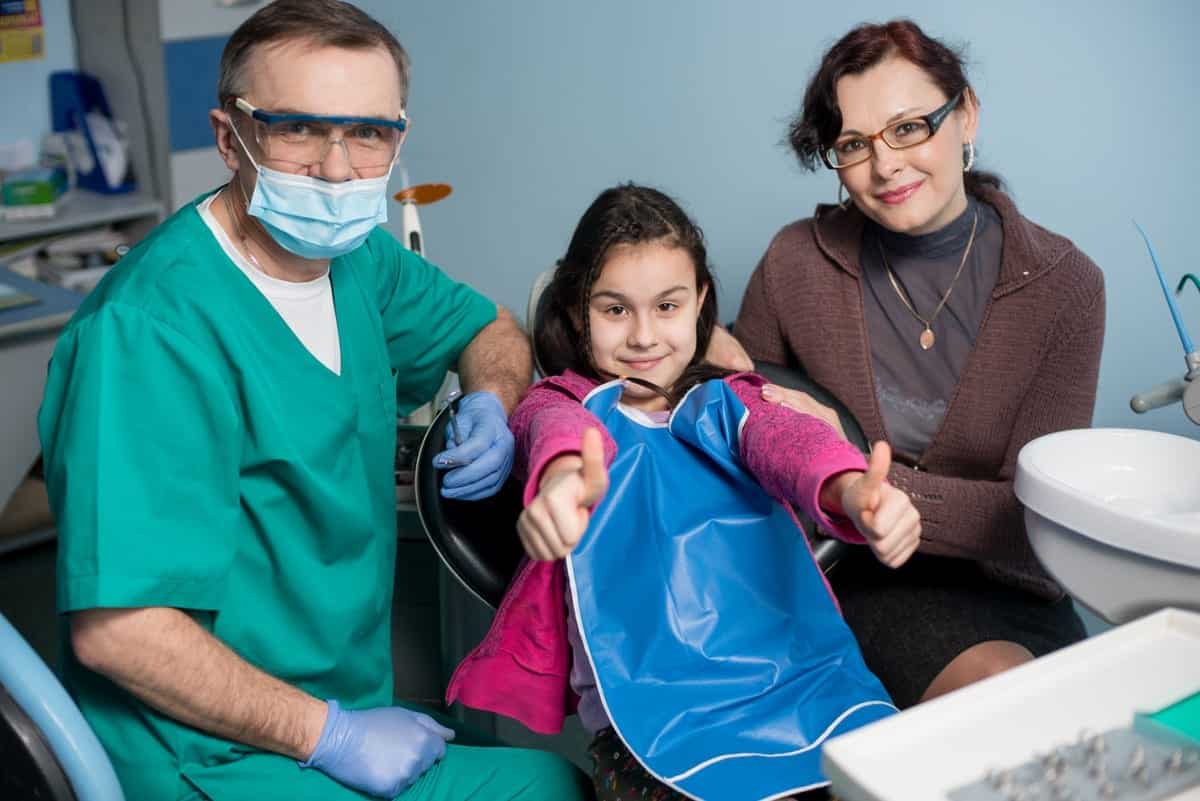
A dental assistant will call your child back and ask a few simple questions. These questions help us understand any changes in your child’s health or habits. Parents are always welcome — and encouraged — to stay with their child throughout the visit. You are a key part of the appointment.
We take a brief health history review at the start of each visit. This includes any new medications, allergies, or concerns you have noticed at home. Sharing details about thumb sucking, diet, or brushing habits helps Dr. Mohammad tailor his exam. No detail is too small.
Inside Your Child’s Dental Checkup: The Exam Step by Step
The clinical portion of the visit follows a clear, predictable sequence. Predictability helps children feel safe and in control. Here is what your child can expect during the exam stage:
- Oral health review: Dr. Mohammad examines teeth, gums, and jaw alignment carefully.
- Cavity check: He looks for early signs of decay on every tooth surface.
- Gum assessment: Healthy gums matter just as much as healthy teeth for children.
- Bite evaluation: We check how upper and lower teeth come together when your child bites.
- Growth monitoring: We track how baby teeth are falling out and permanent teeth are coming in.
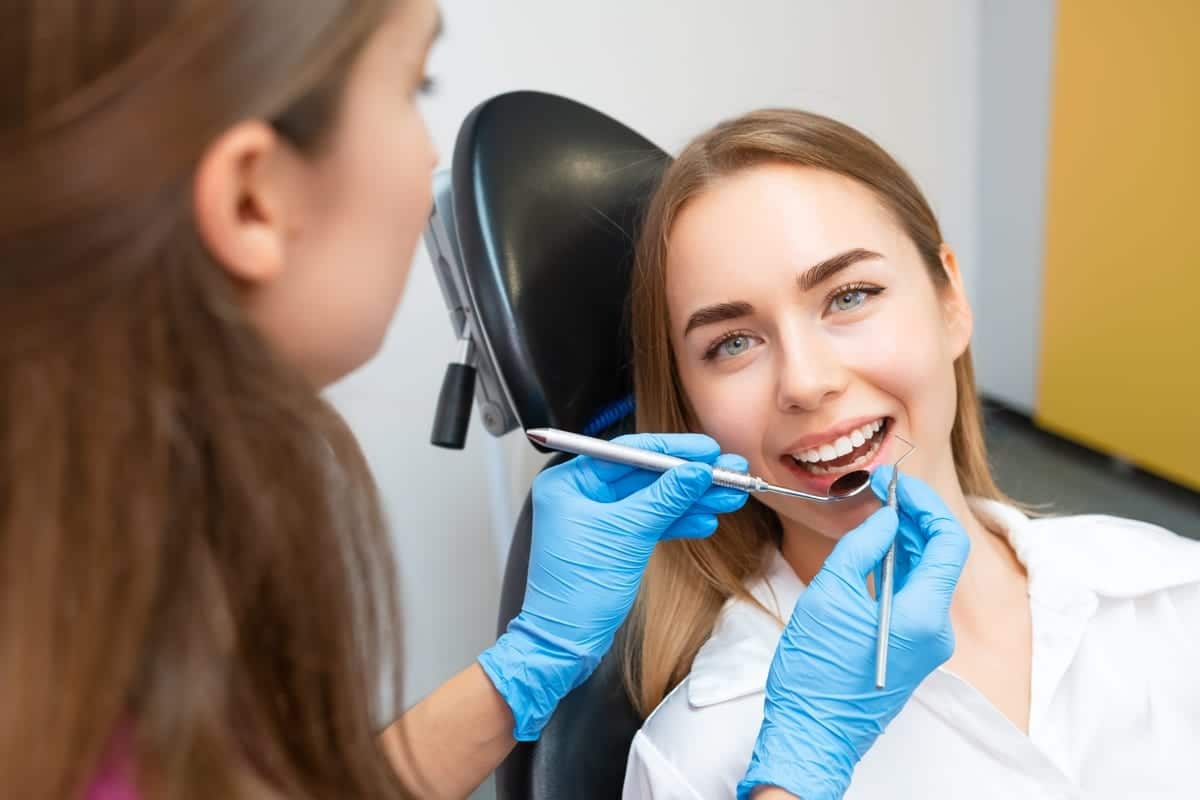
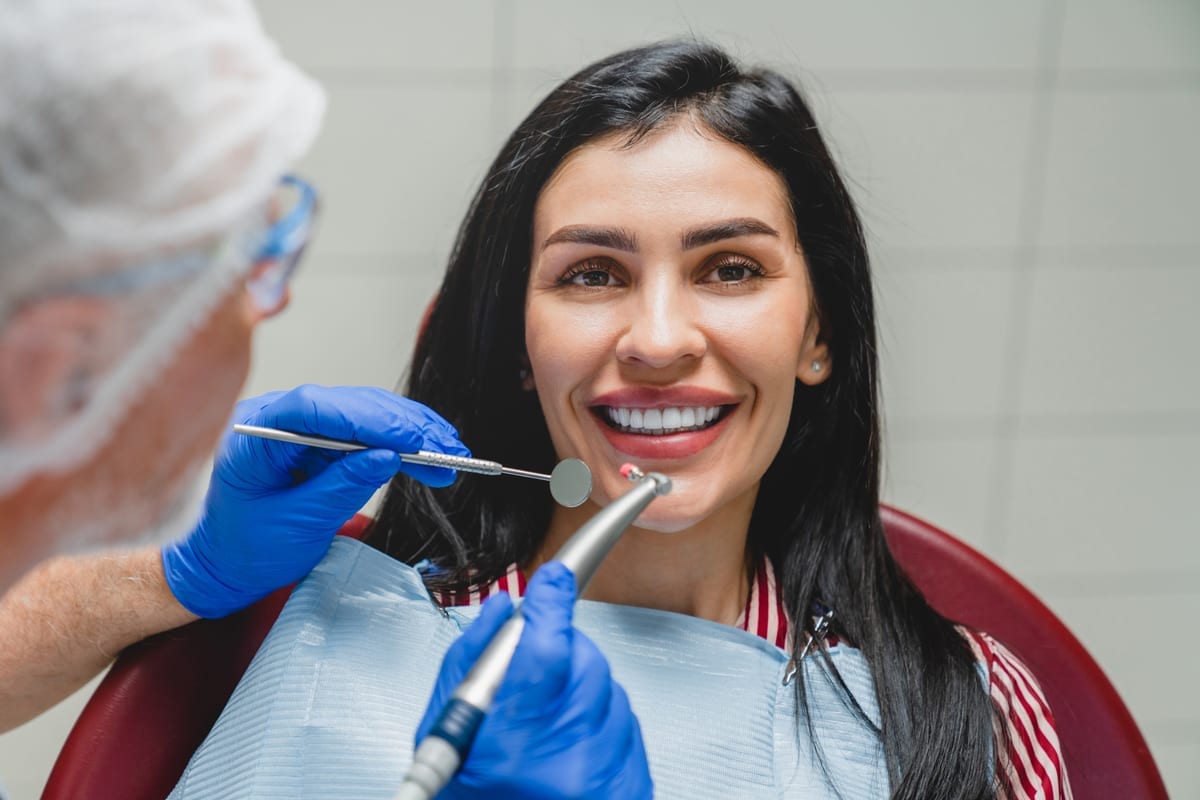
Dr. Mohammad uses a small mirror and a gentle explorer tool during the exam. These tools allow him to see areas that are hard to spot otherwise. He narrates what he is doing throughout the exam. This transparency helps children stay calm and curious rather than afraid.
If X-rays are needed, we take them using low-radiation digital equipment. X-rays let us see between teeth and below the gum line. We only recommend them when clinically necessary for your child’s age and risk level. Safety always guides every decision we make.
Cleaning, Fluoride, and Preventive Treatments
After the exam, a dental hygienist performs a thorough cleaning. This cleaning removes plaque and tartar that regular brushing misses at home. The hygienist uses gentle tools suited to small mouths and young patients. Children often say this part tickles!
Polishing paste is applied to give teeth a smooth, clean finish. The hygienist also flosses between every tooth. This step models proper flossing technique for your child. Many kids learn how to floss correctly by watching the hygienist work.
Fluoride treatments for children are a routine part of most checkups. Fluoride strengthens enamel and reduces the risk of future cavities significantly. The treatment takes only a few minutes and comes in kid-friendly flavors. It is one of the most effective preventive tools available for young patients.
For children with deeper grooves in their back teeth, we may recommend dental sealants. Dental Restorations For Children Hollywood Park is a service we offer when natural teeth need additional protection or repair beyond routine care. Sealants act as a barrier against bacteria that cause decay. Ask Dr. Mohammad if your child is a good candidate during the visit.
What Parents Learn at the End of Each Visit
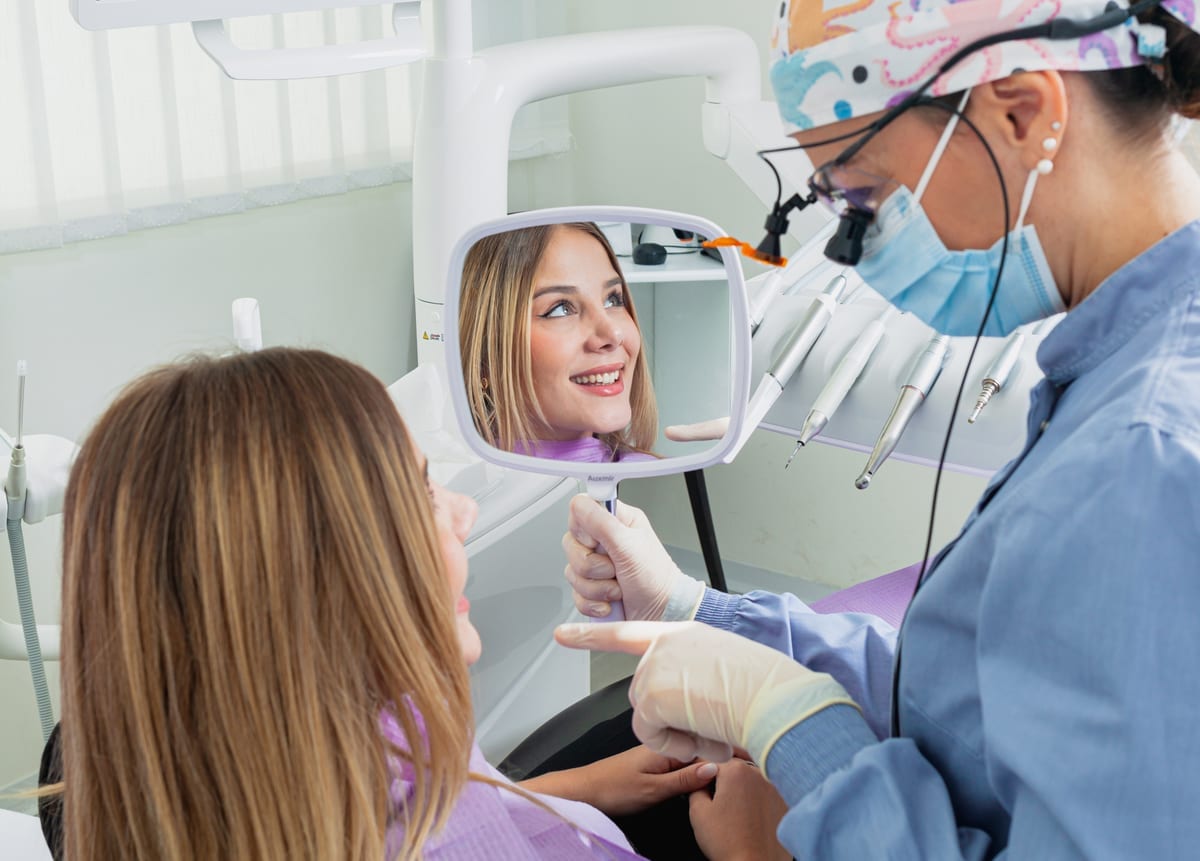
Every checkup ends with a detailed report from Dr. Mohammad. He shares exactly what he found during the exam. He will tell you whether everything looks healthy or flag any concerns to watch. Clear communication with parents is a priority at every appointment.
You will receive specific guidance based on your child’s individual needs. This may include brushing technique tips, dietary recommendations, or next steps for treatment. Here are common topics Dr. Mohammad covers with parents after each exam:
- Cavity prevention: Simple at-home habits that reduce decay risk between visits.
- Healthy snacks: Foods that support strong, cavity-resistant teeth in kids.
- Pacifier and thumb sucking habits: When these habits may affect tooth alignment.
- Orthodontic timeline: Early signs that braces or other alignment treatment may be needed.
- Next appointment timing: How soon to return based on your child’s current oral health.
If Dr. Mohammad identifies any developmental concerns, he will explain them in plain language. We never use confusing dental jargon without explaining it clearly. Parents leave every appointment with a complete picture of their child’s oral health. That knowledge helps you support healthy habits at home every day.
We also serve children with special needs through specialized care approaches. Dental Care For Children With Autism Hollywood Park is available for families who need a more tailored, sensory-sensitive approach. Every child deserves a safe and positive dental experience. Our team is trained to meet children exactly where they are.
Helping Anxious Children Feel Comfortable During Checkups
Dental anxiety in children is incredibly common. Dr. Mohammad and his team use a technique called Tell-Show-Do at every visit. They explain what they will do, show the child the tool, and then gently proceed. This method reduces fear dramatically for young patients.
Our office environment is also designed with children in mind. Bright colors, gentle lighting, and a welcoming atmosphere make a real difference. Children who visit regularly tend to become more comfortable over time. Consistency is one of the best tools against dental anxiety.
Parents play an enormous role in shaping their child’s attitude toward dental care. Staying calm yourself sends a powerful signal to your child. Avoid using words like
Frequently Asked Questions
How often should my child visit the dentist?
The American Academy of Pediatric Dentistry recommends that children visit the dentist every six months for regular checkups and cleanings. However, children with a higher risk of tooth decay may need to visit more frequently, such as every three to four months. Your dentist in Hollywood Park can assess your child’s individual needs and recommend the best schedule for their oral health.
When should my child have their first dental visit?
Children should have their first dental visit by age one or when their first tooth appears, whichever comes first. Early visits help establish good oral hygiene habits and allow the dentist to monitor your child’s dental development. Starting dental care early can also help prevent tooth decay and other oral health problems from developing.
What should I do to prepare my child for their dental checkup?
Talk to your child positively about their dental visit and explain what to expect in simple, age-appropriate language. Have them brush their teeth before the appointment and avoid giving them sugary snacks or drinks right beforehand. Arriving a few minutes early can also help your child feel comfortable and reduce any anxiety about the visit.
Why do baby teeth matter if they’re going to fall out anyway?
Baby teeth are crucial for proper chewing, speaking, and maintaining space for permanent teeth to come in correctly. Decay or premature loss of baby teeth can lead to bite problems and crowding of adult teeth later on. Caring for primary teeth sets the foundation for a lifetime of good oral health and prevents the need for more complex dental treatment in the future.
Are dental checkups different for teenagers than younger children?
While the basic checkup process remains similar, teenagers may need additional screening for issues like wisdom teeth development and orthodontic concerns. Teenage years also bring increased risk for cavities and gum disease due to dietary changes and hormonal factors. Regular six-month visits continue to be important for maintaining optimal dental health during the teenage years.