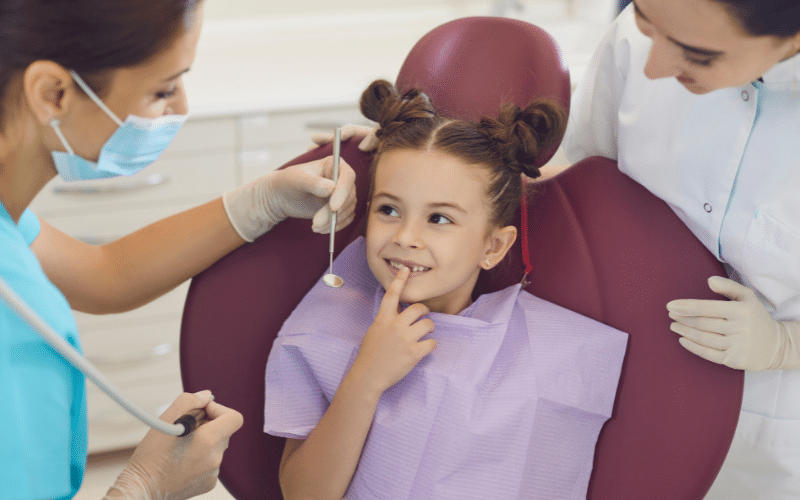




Toothaches in children can be a distressing experience for both the child and the parent. As a parent, you want to alleviate your child’s pain quickly and effectively while ensuring that their dental health is not compromised. In this comprehensive guide, we will explore the best steps to take when your child has a toothache, with insights into emergency dentistry for children. This guide will help you understand the causes of toothaches, how to manage pain at home, and when to seek professional help.
Understanding the Causes of Toothaches in Children
Toothaches in children can stem from various causes. Identifying the root cause is crucial in determining the appropriate response. Here are some common reasons why children experience tooth pain:
- Tooth Decay: The most prevalent cause of toothaches in children is tooth decay. Poor oral hygiene and a diet high in sugary foods and drinks can lead to cavities, which can cause significant pain when they progress.
- Gum Disease: Gingivitis and periodontitis, though less common in children than adults, can still occur. Swollen, bleeding gums can be painful and indicate a more serious underlying issue.
- Dental Trauma: Accidents or injuries can result in broken, chipped, or displaced teeth, leading to acute pain. Children are often active, making dental injuries relatively common.
- Teething: For younger children, the process of teething can be painful. This is usually temporary but can cause considerable discomfort.
- Tooth Eruption: As children grow, their permanent teeth replace baby teeth. This process, known as tooth eruption, can sometimes cause pain and discomfort.
- Infections and Abscesses: Infections in the tooth or gums can cause severe pain and require immediate attention. Dental abscesses are particularly concerning and need prompt treatment.
Initial Steps to Take When Your Child Has a Toothache
When your child complains of a toothache, it’s essential to remain calm and assess the situation. Here are the initial steps you should take:
- Assess the Pain Level: Determine the severity of the pain. Ask your child to describe the pain—whether it’s sharp, throbbing, or constant. This can help in identifying the cause and urgency.
- Inspect the Mouth: Look inside your child’s mouth to see if there are any visible signs of decay, swelling, redness, or injury. Check for any loose or broken teeth.
- Clean the Area: Rinse your child’s mouth with warm salt water to help reduce swelling and cleanse the affected area. This can provide temporary relief and reduce the risk of infection.
- Cold Compress: If there is swelling, apply a cold compress to the outside of the cheek near the painful area. This can help reduce swelling and numb the pain.
- Pain Relief: Over-the-counter pain medications such as ibuprofen or acetaminophen can help manage the pain. Always follow the dosage instructions for children and consult a healthcare professional if unsure.
Home Remedies for Temporary Relief
While professional dental care is crucial, some home remedies can provide temporary relief for your child’s toothache. Here are a few options:
- Saltwater Rinse: As mentioned, a saltwater rinse can help reduce inflammation and kill bacteria. Mix half a teaspoon of salt in a glass of warm water and have your child rinse their mouth thoroughly.
- Clove Oil: Clove oil has natural analgesic and antibacterial properties. Dilute a few drops of clove oil with a carrier oil, like coconut oil, and apply it to the affected area with a cotton swab.
- Cold Pack: Applying a cold pack to the outside of the cheek can help numb the pain and reduce swelling. Ensure the pack is not too cold and wrap it in a cloth to prevent skin damage.
- Hydrogen Peroxide Rinse: A diluted hydrogen peroxide rinse can help kill bacteria and reduce pain. Mix equal parts hydrogen peroxide and water, and have your child swish it in their mouth for about 30 seconds before spitting it out.
When to Seek Emergency Dentistry for Children
While home remedies can provide temporary relief, some situations require immediate professional intervention. Here are scenarios where you should seek emergency dentistry for children:
- Severe Pain: If the pain is severe and persistent, it’s essential to seek professional help. This could indicate a serious underlying issue that needs prompt attention.
- Swelling and Fever: Swelling accompanied by fever could be a sign of an infection or abscess. Dental infections can spread quickly and pose serious health risks.
- Visible Damage: If there is visible damage to the tooth, such as cracks, chips, or breaks, it’s important to have a dentist evaluate the situation and provide appropriate treatment.
- Knocked-Out Tooth: If a tooth has been knocked out, immediate dental care is crucial. If possible, place the tooth back in the socket or keep it in milk and seek emergency dental care.
- Persistent Bleeding: If your child’s gums or mouth are bleeding and it doesn’t stop after a few minutes, it’s important to seek emergency dental care.
What to Expect at an Emergency Dental Visit
When you take your child to an emergency dentist, understanding what to expect can help ease your anxiety and prepare your child for the visit. Here’s what typically happens:
- Assessment and Diagnosis: The dentist will first assess your child’s condition by examining the mouth, asking about symptoms, and possibly taking X-rays. This helps in determining the cause of the pain.
- Pain Management: The dentist will prioritize alleviating your child’s pain. This may involve local anesthesia, pain medication, or other interventions to provide immediate relief.
- Treatment Plan: Based on the diagnosis, the dentist will outline a treatment plan. This could include procedures like fillings, extractions, or treatment of infections.
- Follow-Up Care: The dentist will provide instructions for follow-up care to ensure proper healing and prevent future issues. This may include advice on oral hygiene, diet, and any additional treatments needed.
Preventing Toothaches in Children
Prevention is always better than cure. By adopting good oral hygiene practices and regular dental check-ups, you can significantly reduce the risk of toothaches in children. Here are some preventive measures:
- Regular Brushing and Flossing: Teach your child to brush their teeth at least twice a day with fluoride toothpaste and to floss daily to remove plaque and food particles between teeth.
- Healthy Diet: Encourage a balanced diet that is low in sugary snacks and drinks. Foods high in calcium and phosphorus, such as dairy products, fruits, and vegetables, help strengthen teeth.
- Routine Dental Visits: Schedule regular dental check-ups every six months. Early detection of potential issues can prevent them from becoming serious problems.
- Mouthguards for Sports: If your child participates in sports, ensure they wear a mouthguard to protect their teeth from injuries.
- Hydration: Encourage your child to drink plenty of water. Water helps wash away food particles and bacteria, reducing the risk of decay.
Educating Your Child on Oral Health
Educating your child about the importance of oral health can empower them to take responsibility for their dental care. Here are some tips:
- Make it Fun: Turn brushing and flossing into a fun activity by using colorful toothbrushes, flavored toothpaste, and rewards for consistent good habits.
- Lead by Example: Children often imitate their parents. Brush and floss your teeth together to show that oral hygiene is a family priority.
- Educational Resources: Use books, videos, and apps designed for children to teach them about the importance of dental health in an engaging way.
- Positive Reinforcement: Praise and reward your child for good oral hygiene practices. Positive reinforcement can motivate them to maintain these habits.
Toothaches in children can be challenging, but with the right knowledge and approach, you can manage the situation effectively. By understanding the causes, knowing how to provide temporary relief, and recognizing when to seek emergency dentistry for children, you can ensure your child receives the care they need promptly. Remember, prevention is key – instilling good oral hygiene habits and regular dental check-ups can help prevent many dental issues from arising in the first place.
If your child is experiencing a toothache, don’t hesitate to consult a dental professional. Their expertise and guidance can make a significant difference in your child’s comfort and long-term dental health.