



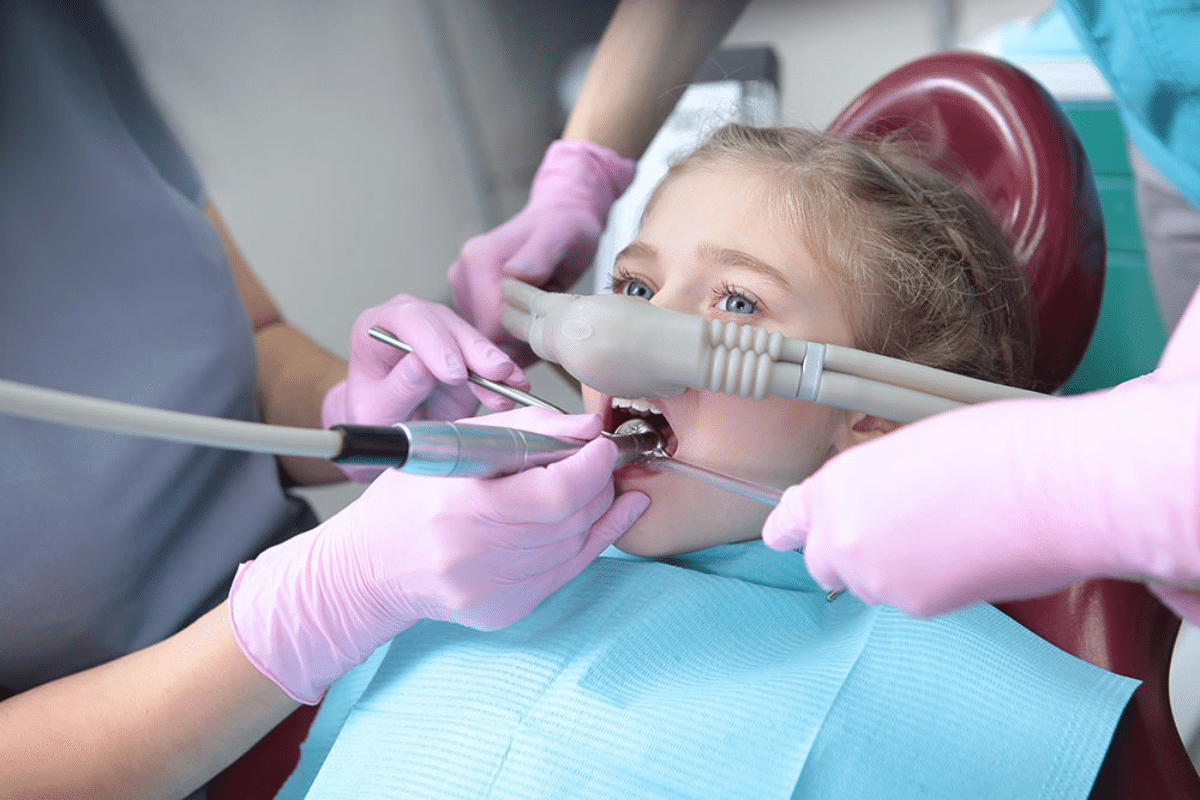
Dental procedures can be daunting for children, causing anxiety and fear. To help manage these feelings and ensure a smooth, pain-free experience, dental sedation is often used. This comprehensive guide will provide a step-by-step overview of the dental sedation process for children, helping parents understand what to expect and how to prepare their child for a dental visit involving sedation.
Understanding Dental Sedation for Children
Dental sedation involves using medications to help children relax and remain calm during dental procedures. There are different levels of sedation, from mild relaxation to deep sedation, depending on the child’s needs and the complexity of the procedure.
Types of Dental Sedation:
- Nitrous Oxide (Laughing Gas): A mild sedative that helps children relax while remaining awake and responsive.
- Oral Sedation: Administered in liquid or pill form, oral sedation makes the child drowsy but still conscious.
- IV Sedation: Administered through a vein, IV sedation provides a deeper level of sedation while the child remains conscious.
- General Anesthesia: The child is fully unconscious and unaware of the procedure, typically used for extensive dental work.
Step 1: Initial Consultation and Assessment
The first step in the dental sedation process for children is an initial consultation with the dentist. This appointment is crucial for determining the appropriate sedation method and ensuring the child’s safety.
What to Expect:
- Medical History Review: The dentist will review your child’s medical history, including any medications, allergies, and past experiences with sedation or anesthesia.
- Dental Examination: A thorough dental examination will help assess the extent of dental work needed and the best sedation method.
- Discussion of Sedation Options: The dentist will explain the different sedation options, their benefits, and potential risks to help you make an informed decision.
Step 2: Preparing for the Sedation Appointment
Proper preparation is essential for a successful sedation experience. Following the dentist’s instructions will help ensure your child’s safety and comfort.
Preparation Tips:
- Fasting Guidelines: Depending on the type of sedation, your child may need to fast for a certain period before the appointment. Follow the dentist’s instructions regarding food and drink restrictions.
- Comfort Items: Bring your child’s favorite blanket, toy, or comfort item to help them feel more at ease.
- Clothing: Dress your child in loose, comfortable clothing to allow easy access for monitoring equipment.
- Pre-Procedure Medication: If prescribed, give your child any pre-procedure medications as directed by the dentist.
Step 3: The Day of the Appointment
On the day of the appointment, it’s important to stay calm and supportive to help your child feel relaxed.
What to Expect:
- Arrival at the Dental Office: Arrive a bit early to allow your child to acclimate to the dental office environment.
- Pre-Sedation Evaluation: The dental team will perform a final evaluation, checking your child’s vital signs and confirming fasting compliance.
- Administration of Sedation: Depending on the chosen method, sedation will be administered through inhalation, orally, or intravenously.
Step 4: Monitoring During the Procedure
During the procedure, the dental team will closely monitor your child’s vital signs to ensure their safety and comfort.
Monitoring Techniques:
- Heart Rate and Oxygen Levels: Devices will be used to monitor your child’s heart rate and oxygen levels throughout the procedure.
- Blood Pressure: Regular checks of blood pressure will be conducted to ensure stability.
- Respiratory Rate: The team will monitor your child’s breathing to detect any issues promptly.
Step 5: Post-Procedure Care and Recovery
After the procedure, your child will be moved to a recovery area where they will be monitored until the sedation effects wear off.
Post-Procedure Care:
- Observation Period: Your child will be observed until they are alert and responsive. This period can vary depending on the type of sedation used.
- Hydration and Nutrition: Once your child is fully awake, they can start with small sips of water and gradually return to regular eating habits as advised by the dentist.
- Rest and Comfort: Encourage your child to rest for the remainder of the day. Provide a quiet and comfortable environment for recovery.
Managing Potential Side Effects
While dental sedation is generally safe, some side effects can occur. Being aware of these can help you manage them effectively.
Common Side Effects:
- Drowsiness: It is normal for your child to feel drowsy or groggy after sedation. Allow them to rest until they feel more awake.
- Nausea and Vomiting: Some children may experience nausea or vomiting. Ensure they stay hydrated and follow the dentist’s advice on managing these symptoms.
- Irritability: Your child may feel irritable or confused as the sedation wears off. Comfort and reassure them during this period.
Long-Term Oral Health After Sedation
Maintaining good oral health practices is crucial to prevent the need for future dental sedation.
Tips for Long-Term Oral Health:
- Regular Dental Check-Ups: Schedule regular dental visits to monitor your child’s oral health and address any issues early.
- Proper Oral Hygiene: Teach your child to brush and floss daily and supervise their routine to ensure they are doing it correctly.
- Healthy Diet: Encourage a balanced diet with limited sugary snacks and drinks to promote strong teeth and gums.
- Use of Fluoride: Ensure your child uses fluoride toothpaste and consider fluoride treatments as recommended by the dentist.
Addressing Common Concerns About Dental Sedation
It’s natural for parents to have concerns about dental sedation. Addressing these can help you feel more confident about the process.
Common Concerns:
- Safety of Sedation: Dental sedation is generally safe when administered by trained professionals. The dentist will take all necessary precautions to ensure your child’s safety.
- Potential Risks: While risks are minimal, the dentist will discuss any potential risks and how they are managed during the consultation.
- Recovery Time: Recovery time varies depending on the type of sedation used. The dental team will provide specific instructions to ensure a smooth recovery.
Understanding the dental sedation process for children can help alleviate anxiety and ensure a positive experience for your child. By following the steps outlined in this guide, you can prepare your child for their dental procedure, support them during the process, and ensure proper post-procedure care. Remember, maintaining good oral health practices can help prevent the need for future sedation and promote a lifetime of healthy smiles.
If you have any concerns or questions about dental sedation for children, don’t hesitate to consult with your child’s dentist. Their expertise and guidance will provide you with the reassurance and information you need to make informed decisions about your child’s dental care.