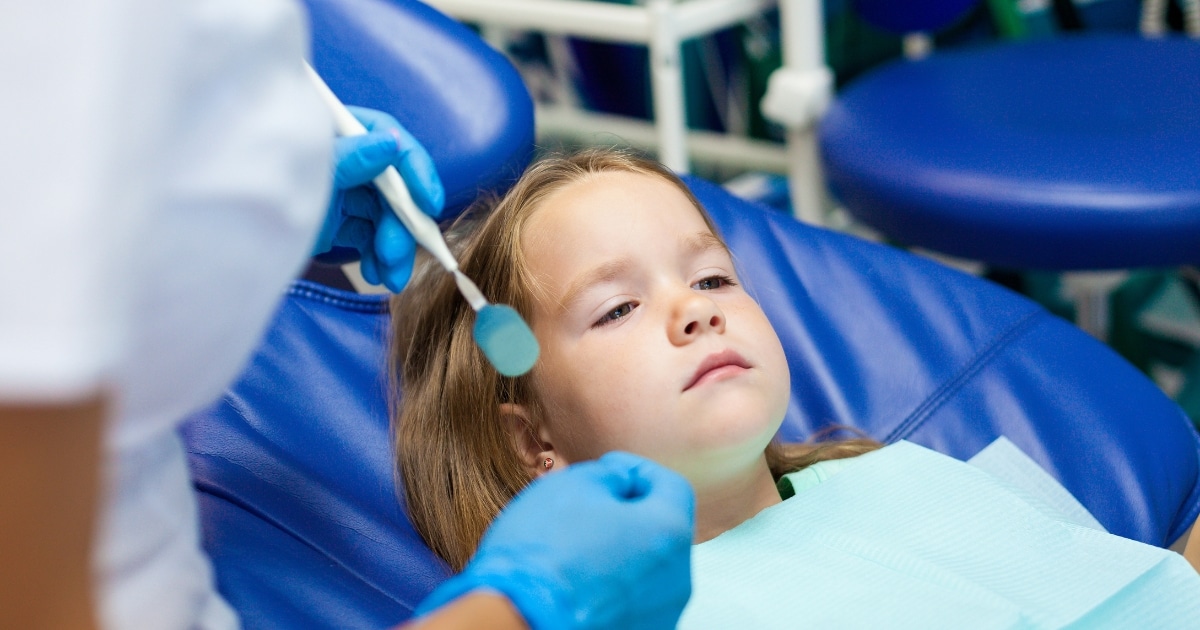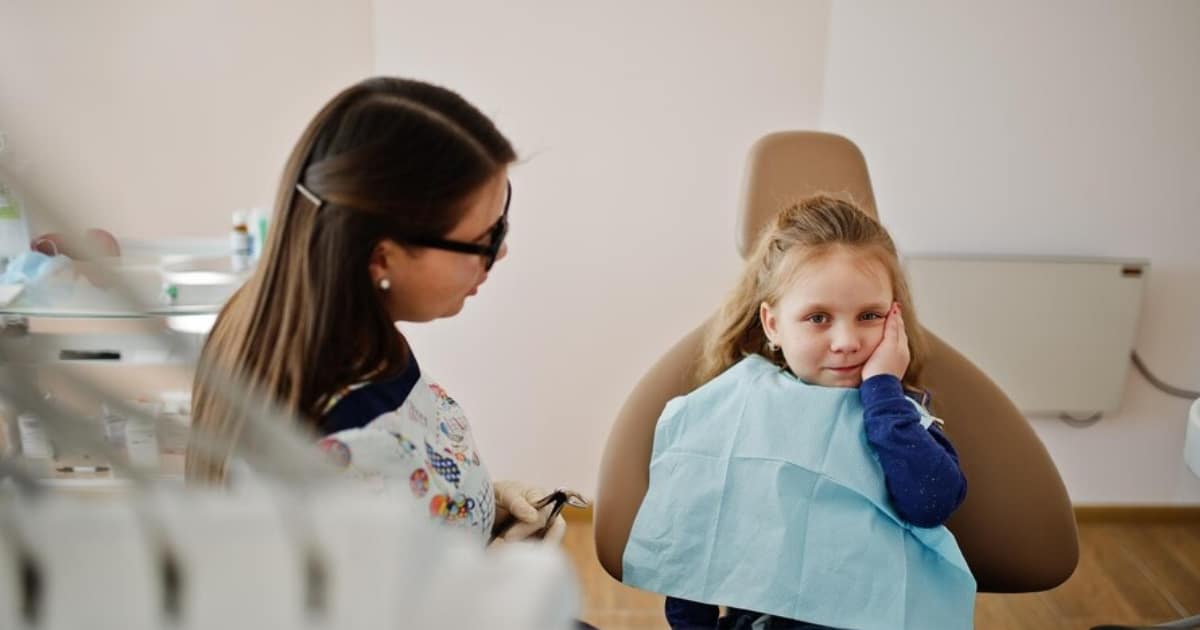



Dental anxiety is common among children, and some may find it difficult to sit still or relax during dental treatments. This can make necessary dental procedures more challenging for both the child and the dentist. In these cases, dental sedation can be a helpful solution. By ensuring comfort and reducing anxiety, dental sedation allows children to undergo treatments with minimal stress.
For parents in San Antonio, understanding when sedation is necessary and how it works can help make dental visits easier for your child. This guide will discuss the signs indicating your child could benefit from sedation and its benefits for a smoother dental experience.
Understanding Sedation in Pediatric Dentistry
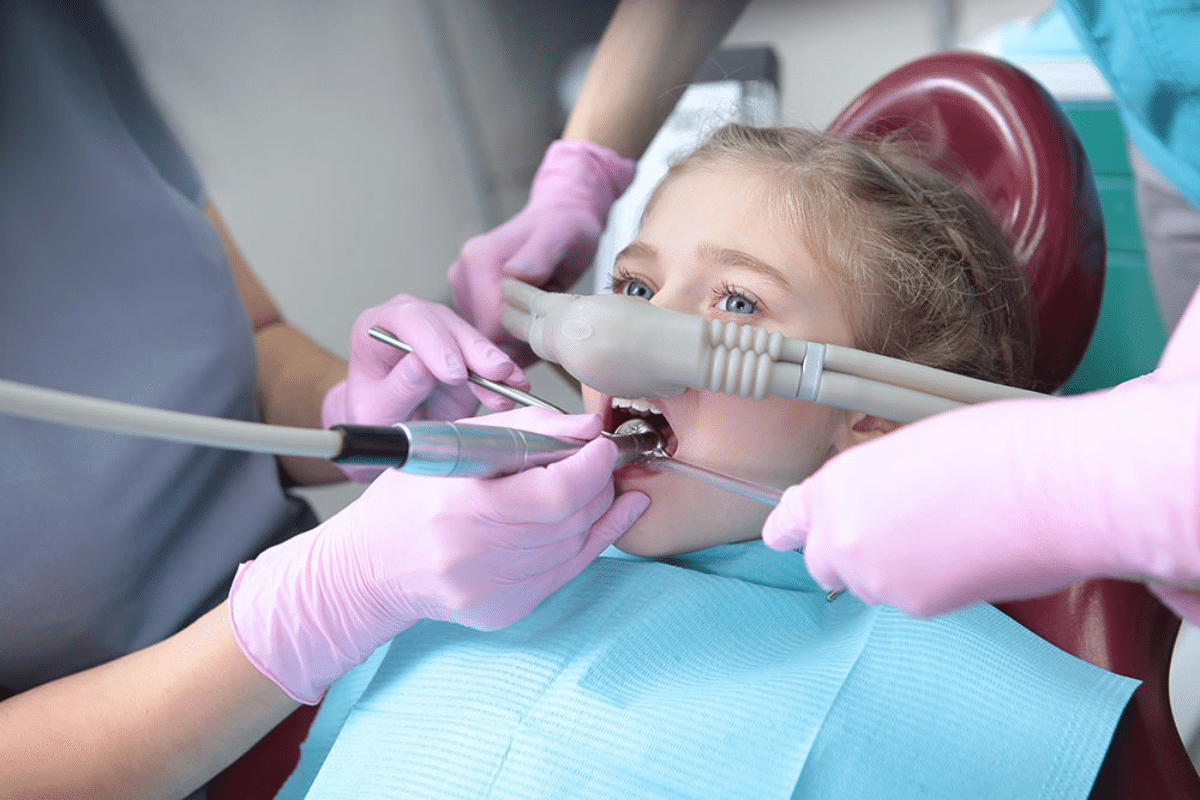
Dental sedation refers to using medication to help children relax during dental procedures. It can range from mild sedation, which helps a child feel relaxed, to general anesthesia, where the child is fully asleep. Different types of dental sedation are based on the procedure and the child’s needs.
- Mild Sedation: This is typically achieved with nitrous oxide (laughing gas) and is used for mild anxiety. It helps children feel calm but doesn’t put them to sleep.
- Moderate Sedation: Involves oral or intravenous sedation, which makes the child drowsy but still conscious.
- Deep Sedation: The child is very drowsy and may not respond, but they are not fully asleep.
- General Anesthesia: This involves total sleep and is typically used for longer or more invasive procedures.
The primary goal of dental sedation is to ensure the safety and comfort of children while they undergo dental treatments. It allows dentists to perform procedures efficiently and accurately while keeping the child calm.
Why Sedation Might Be Needed?
There are several reasons why a child might need dental sedation in San Antonio, TX. One of the most common reasons is dental anxiety. Many children feel fearful or anxious about dental visits, making it difficult for them to cooperate. Sedation helps to ease these fears, allowing the dentist to perform necessary treatments.
Another reason is the child’s inability to sit still or follow directions. Some children, especially younger ones, may have difficulty staying in one position for a prolonged period, making it harder for the dentist to complete the procedure safely. In these cases, sedation helps to keep the child calm and still.
Dental sedation is also used for complex procedures that may take longer or require more precision, such as fillings or extractions. In these cases, sedation makes it easier for the dentist to perform the work efficiently and without causing distress to the child.
Lastly, children with special needs or medical conditions may benefit from sedation. Conditions such as autism, ADHD, or other developmental challenges can make dental visits more difficult. Sedation can ensure these children receive treatment in a calm and controlled environment.
Signs Your Child Might Need Sedation
- Severe Dental Anxiety or Fear
If your child experiences intense fear or panic at the thought of visiting the dentist, dental sedation may be necessary. Signs of this include crying, refusal to sit in the dental chair, or even physical reactions like trembling. Sedation helps to calm these fears, ensuring your child is more relaxed during their visit. - Inability to Sit Still or Follow Directions
Some children may struggle to stay still during dental exams, making procedures longer or more difficult. If your child is hyperactive or constantly moves around, dental sedation can help them stay in position, ensuring the dentist can work efficiently. - Previous Negative Dental Experiences
Children who have had traumatic dental experiences may associate the dentist with pain or discomfort, making future visits stressful. In these cases, dental sedation can help alleviate these negative associations, ensuring your child has a more positive experience. - Complex Dental Procedures
Sedation is often recommended for more invasive or complex procedures, such as fillings, extractions, or root canals. These treatments require a child to remain still for an extended period, and sedation helps reduce discomfort and ensures a smoother procedure. - Special Needs or Medical Conditions
Children with special needs, such as autism, ADHD, or other medical conditions, may need dental sedation to help them stay calm and safe during dental procedures. Sedation provides a controlled environment for the dentist to complete necessary treatments without stress or discomfort.
Benefits of Sedation for Your Child
- Reduced Anxiety
Dental sedation is an effective way to reduce anxiety in children who are fearful of dental visits. It helps them feel more comfortable and relaxed, ensuring they don’t experience overwhelming stress during the procedure. - Improved Cooperation
Sedation helps children stay still and cooperative during dental treatments. This improves the dentist’s ability to complete the procedure efficiently and without interruption. With sedation, your child is more likely to follow instructions, making the visit smoother. - Faster Treatment Completion
With a relaxed child, the dental team can perform procedures more quickly and with less distraction. This results in a more efficient visit and less time in the dental chair, which benefits both the child and the dentist. - A Positive Dental Experience
Sedation can help children develop a positive relationship with the dentist. When children have a calm and stress-free experience, they are more likely to associate positively with dental care. This can lead to fewer fears and more regular dental visits in the future.
Safety of Sedation for Children
Pediatric dentists take the safety of dental sedation very seriously. Before any procedure, a thorough evaluation of your child’s medical history and current health status is conducted. The sedation agents used are approved by dental and medical authorities, ensuring they are safe and effective for children. During the procedure, trained professionals closely monitor your child’s vitals, such as heart rate and oxygen levels, to ensure their safety.
Sedation is always administered under the supervision of proficient dental staff, ensuring your child receives the appropriate care. Parents can feel confident knowing that the sedation process is both safe and well-managed by the dentist and the team.
Finding the right care for your child’s dental needs is essential. If you notice signs of dental anxiety or any of the other signs mentioned, dental sedation may be an effective solution. Speak to your pediatric dentist to discuss whether sedation is appropriate for your child.
In San Antonio, many pediatric dentists offer consultations to help guide you through the process and ensure the best care for your child. Don’t hesitate to ask questions and learn how dental sedation can make your child’s dental visits more comfortable and stress-free.