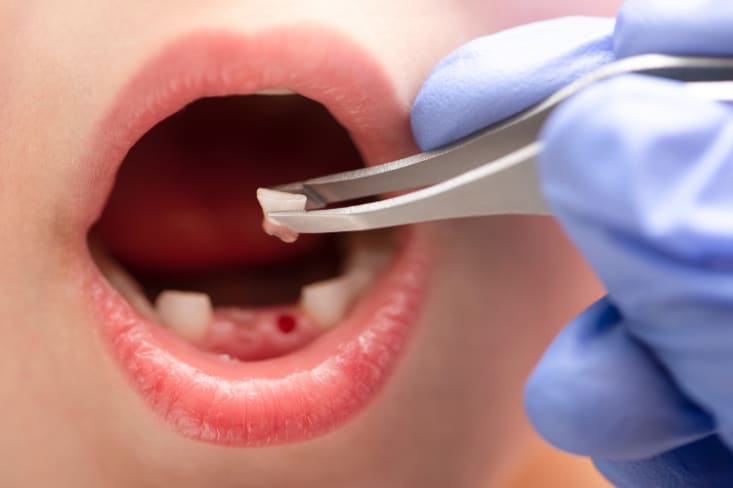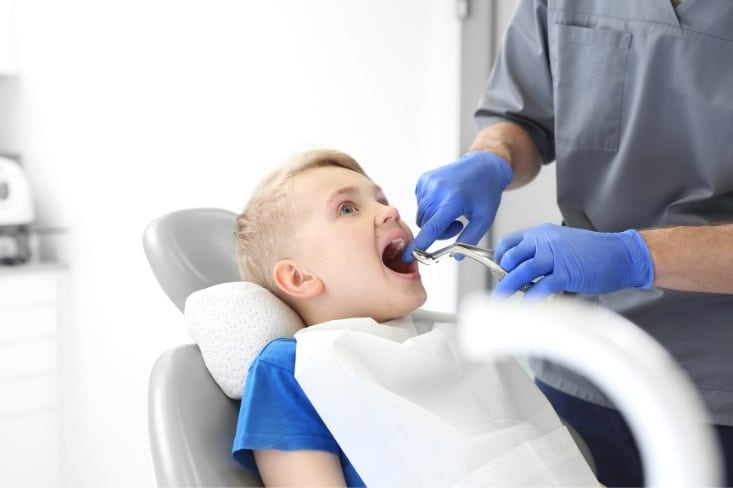




Pediatric tooth extractions can be a daunting experience for both children and parents alike. The mere thought of undergoing a dental procedure can evoke anxiety and fear, especially when it involves the removal of a tooth. However, with the right approach to pain management, this process can be made significantly more comfortable for young patients. In this article, we will explore some expert tips and techniques for effectively managing pain during pediatric tooth extractions.
Understanding the Importance of Pain Management
Before delving into specific strategies, it’s crucial to understand why pain management is essential, particularly in pediatric dentistry. Children may experience heightened levels of anxiety and discomfort when faced with the prospect of dental procedures. Unmanaged pain can exacerbate these feelings, leading to a negative overall experience and potentially impacting their future dental health.
Creating a Comfortable Environment
One of the first steps in effective pain management for pediatric tooth extractions is creating a comfortable and reassuring environment. Pediatric dental offices often employ child-friendly decor, colorful surroundings, and friendly staff to help alleviate anxiety. These elements can help distract children from their fears and promote a sense of calmness.
Establish Trust and Communication
Building trust and fostering open communication with young patients is paramount. Pediatric dentists in San Antonio understand the importance of establishing a rapport with children before proceeding with any procedure. Taking the time to explain the process in a gentle and age-appropriate manner can help alleviate fears and build trust between the child and the dentist.
Utilizing Local Anesthesia
Local anesthesia plays a crucial role in minimizing pain during pediatric tooth extractions. By numbing the affected area, dentists can perform the procedure with minimal discomfort to the child. Using child-friendly anesthesia delivery methods, such as numbing gels or flavored topical creams, can further enhance the experience for young patients.
Consider Sedation Options
In some cases, pediatric dentists may recommend sedation for particularly anxious or fearful children. Sedation can help induce a state of relaxation, making the procedure more comfortable for the child. However, it’s essential to discuss the risks and benefits of sedation with the child’s parents or guardians before proceeding.
Post-Extraction Pain Management
Effective pain management doesn’t end when the procedure is complete. Post-extraction discomfort is common and requires appropriate management to ensure the child’s comfort and well-being.
Provide Pain Relief Medications
Pediatric dentists may prescribe pain relief medications to alleviate post-extraction discomfort. These medications, typically in the form of ibuprofen or acetaminophen, can help reduce pain and inflammation. Parents need to follow the dentist’s instructions regarding dosage and administration.
Emphasizing Preventive Care
While managing pain during pediatric tooth extractions is crucial, emphasis should also be placed on preventive care to avoid future dental issues. Educating both children and parents about the importance of good oral hygiene practices, regular dental check-ups, and healthy dietary habits can help prevent the need for extractions in the future.
Encourage Proper Oral Hygiene
Promoting proper oral hygiene habits from a young age can significantly reduce the risk of dental problems requiring extractions. Encourage children to brush their teeth twice a day, floss regularly, and limit sugary snacks and beverages. Establishing these habits early on can set the foundation for a lifetime of good oral health.
Pediatric tooth extractions can be a challenging experience for children, but with the right approach to pain management, it can be made more comfortable and less intimidating. By creating a supportive environment, utilizing local anesthesia effectively, and emphasizing preventive care, pediatric dentists in San Antonio can help ensure a positive dental experience for young patients. Remember, effective pain management is not just about alleviating physical discomfort—it’s also about promoting emotional well-being and building trust with young patients.