



Many parents in Hill Country Village wonder what a routine teeth cleaning actually does. Understanding what your teeth cleaning can and can’t remove is a realistic guide every patient deserves. Some stains vanish after a cleaning. Others require a completely different approach. At Little Dental Pediatric Dentistry San Antonio, Dr. Yusif Mohammad helps families set honest expectations before every visit.
What a Teeth Cleaning Actually Does in Hill Country Village
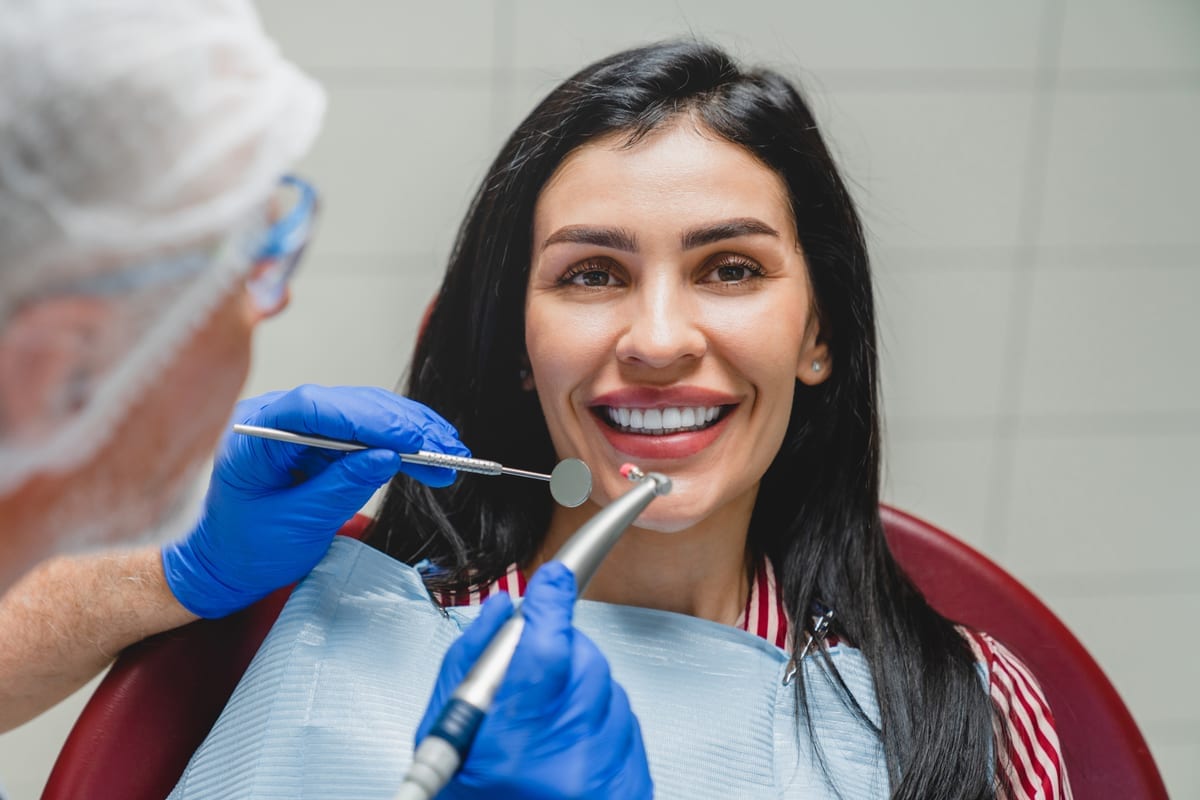
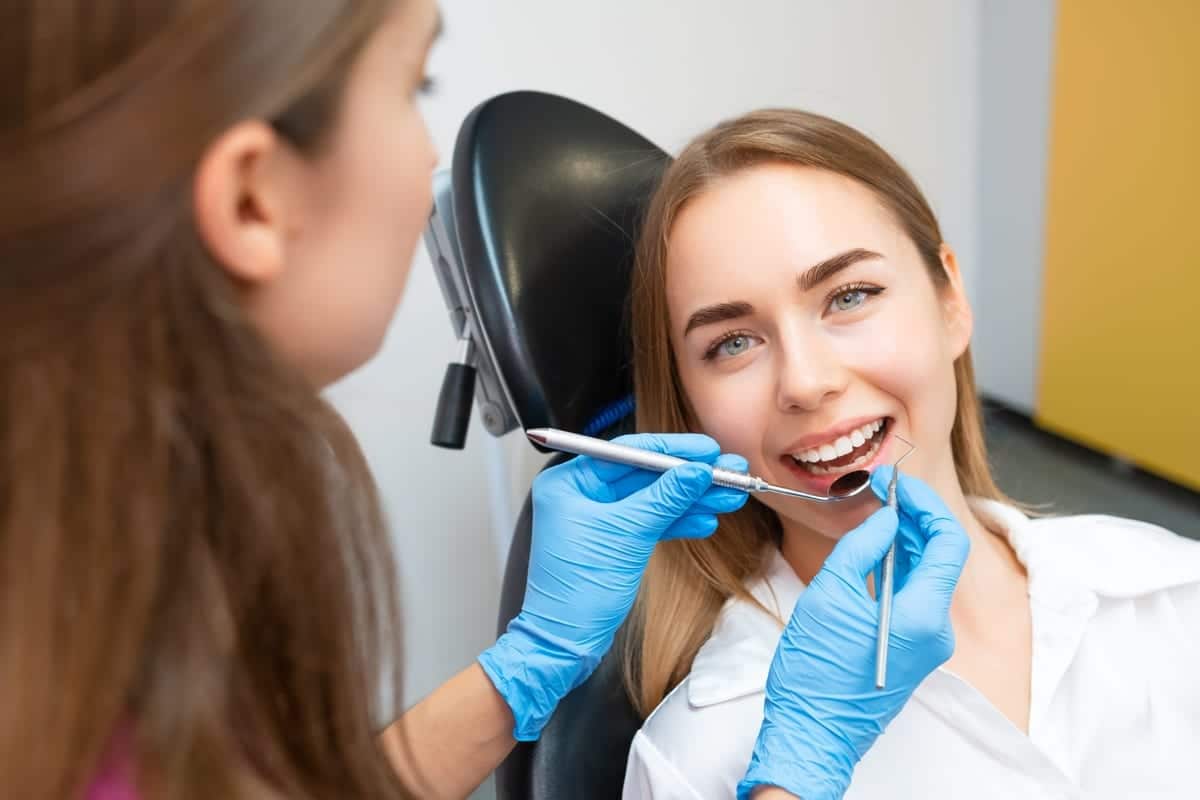
A professional teeth cleaning targets two main things: plaque and tartar. Plaque is a soft, sticky film that builds up daily on tooth surfaces. Tartar is hardened plaque that brushing alone cannot remove. A dental hygienist uses special tools to scrape away both of these deposits safely.
During a cleaning, your hygienist also polishes the teeth. This polishing step uses a mildly abrasive paste. It buffs away light surface stains caused by everyday eating and drinking. The result is a noticeably smoother and brighter smile for most patients.
Here is what a standard professional cleaning addresses:
- Soft plaque buildup along the gumline
- Hardened tartar on tooth surfaces
- Light surface stains from food and beverages
- Bacteria hiding in hard-to-reach areas
- Early signs of gum irritation or inflammation
Stains a Cleaning Can Remove: Realistic Expectations
Not every discoloration is the same. Surface stains, also called extrinsic stains, sit on the outer layer of the tooth. These are the stains a cleaning can often reduce or eliminate. Common causes include coffee, tea, dark juices, and certain foods.
Children who drink fruit punch or berry smoothies regularly may develop noticeable surface staining. A professional polishing step during their cleaning can reduce much of that discoloration. Parents are often pleasantly surprised by the results after just one visit.
However, results depend on how deep the stain has penetrated. Light, recent stains respond well to cleaning. Older or darker stains may only partially improve. That is an honest and important distinction to understand before your child’s appointment.
What a Teeth Cleaning in Hill Country Village Cannot Remove
Some discoloration lives deeper than the tooth’s surface. These are called intrinsic stains, and a standard cleaning will not touch them. Intrinsic stains develop inside the tooth structure itself. They often result from early antibiotic exposure, trauma, or natural aging.
Fluorosis is another common example. This occurs when children consume too much fluoride during tooth development. The result is white spots or brownish streaking baked into the enamel. No amount of polishing will change those marks.
Here are stains and issues that a cleaning typically cannot fix:
- Deep intrinsic discoloration inside the tooth
- Staining from certain medications like tetracycline
- Fluorosis-related white or brown spots
- Decay or cavities causing dark spots
- Structural damage or chips affecting tooth color
When staining is caused by decay, treatment goes beyond cosmetics. A tooth with significant decay may need restorative care. In some cases, a Dental Crowns placement becomes the right solution to protect and restore the tooth.
When Whitening or Other Treatments Make More Sense
If cleaning does not achieve the brightness a patient hopes for, professional whitening is the logical next step. Whitening treatments use peroxide-based agents to lighten tooth enamel. They target deeper staining that polishing paste simply cannot reach. Results are typically more dramatic and longer lasting.
It is worth noting that whitening works on natural tooth enamel only. It will not lighten crowns, fillings, or bonded areas. That is why Dr. Mohammad always evaluates the full picture before recommending any cosmetic step.
For younger children, whitening is generally not recommended. The focus at their age stays on prevention and healthy habits. As children grow older, the conversation about cosmetic options can begin appropriately. Every patient’s timeline looks a little different.
Some children experience dental anxiety that makes even a routine cleaning feel overwhelming. In those cases, Dental Sedation For Children can help them receive the care they need comfortably and safely.
How to Maintain Results After Your Cleaning
Getting a cleaning is just the beginning. What happens at home determines how long those results last. Consistent brushing twice daily removes fresh plaque before it hardens. Flossing daily cleans the spaces between teeth that brushing misses entirely.
Limiting staining foods and beverages also helps. Rinsing with water after meals reduces how long pigments sit on tooth surfaces. These small habits make a measurable difference over time. They are easy to teach children when started early.
Regular six-month cleanings keep tartar from accumulating between visits. Skipping appointments allows buildup to grow and stains to set more deeply. Staying on schedule protects both appearance and overall oral health. That is a win in every direction.
Why Honest Expectations Lead to Better Outcomes
Patients who understand their cleaning ahead of time feel more satisfied afterward. They are not disappointed by what was never possible. They appreciate what the cleaning actually accomplished. That trust is the foundation of a lasting dental relationship.
At Little Dental Pediatric Dentistry San Antonio, Dr. Mohammad takes time to explain every step. Families in Hill Country Village deserve clear answers and honest guidance. No pressure, no overselling — just practical information that helps you make informed choices for your child’s health.
If your child is due for a cleaning or if you have questions about stain removal and realistic outcomes, we are here to help. Book Now to schedule your appointment with our team.
Frequently Asked Questions
Can a teeth cleaning remove all yellow staining from my child’s teeth?
It depends on the cause. Yellow staining from plaque buildup or food often improves with a professional cleaning. However, yellow tones caused by thin enamel or intrinsic factors will not fully respond to polishing. Dr. Mohammad can evaluate the source and recommend the right next step.
How often should my child get a professional teeth cleaning?
Most children benefit from a professional cleaning every six months. This schedule keeps tartar levels low and allows the dentist to catch early issues. Some children with higher cavity risk may need more frequent visits. Dr. Mohammad will recommend the right schedule based on your child’s needs.
Will a cleaning make my child’s teeth noticeably whiter?
A cleaning can improve brightness by removing surface stains and tartar. Many patients notice a cleaner, fresher appearance right away. For significant whitening beyond the natural shade, additional cosmetic treatments would be needed. Results vary from patient to patient.
What causes stains on children’s teeth that cleaning cannot fix?
Intrinsic stains from fluorosis, certain antibiotics, trauma, or developmental factors cannot be removed by cleaning. These discolorations are embedded within the tooth structure itself. Treatment options in these cases may include bonding, veneers, or crowns depending on severity.
Is teeth polishing during a cleaning safe for young children?
Yes, polishing is safe for young children when performed by a trained dental professional. The paste used is mild and appropriate for pediatric patients. Dr. Mohammad and his team use child-friendly techniques to keep the experience comfortable and effective.