


Dental visits can be a daunting experience for children. Many kids experience dental anxiety, which can lead to avoidance of necessary dental care. Fortunately, dental sedation offers a solution to help ease their fears. In this blog, we’ll explore how dental sedation benefits children and how it can transform their dental visits into a more pleasant experience.
Dental Anxiety in Kids
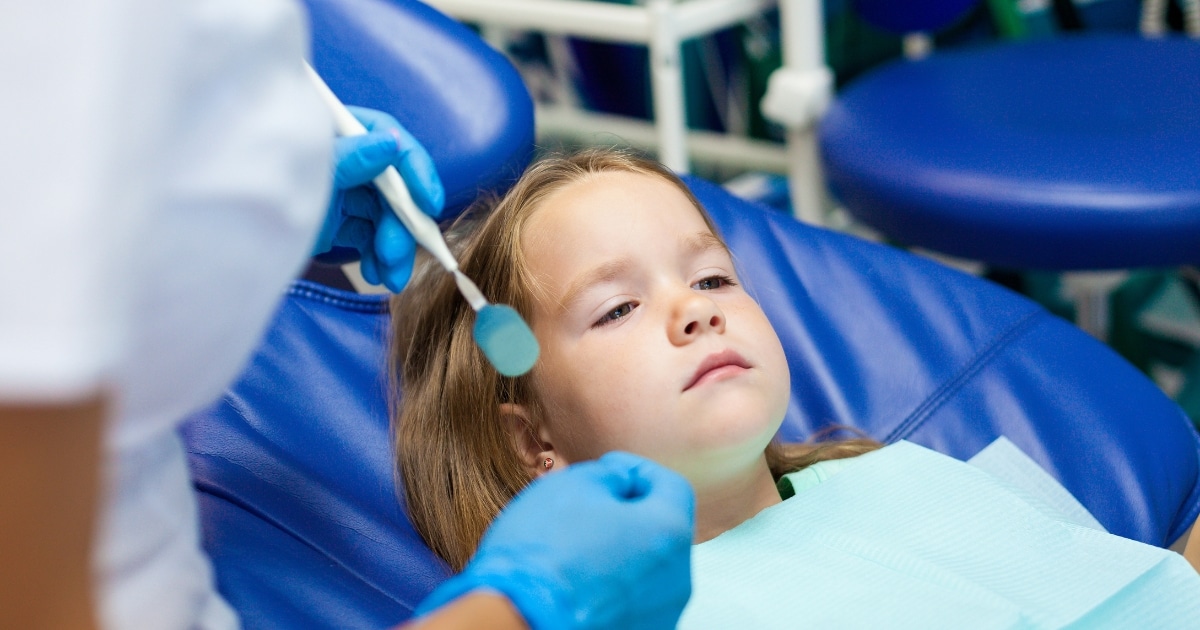
Dental anxiety is a common issue among children. Factors contributing to this anxiety may include:
- Fear of Pain: Many children fear the potential discomfort associated with dental procedures.
- Strange Environment: The dental office can feel intimidating due to unfamiliar sounds and smells.
- Previous Experiences: Negative past experiences can amplify anxiety for future visits.
Recognizing these triggers is the first step in addressing dental anxiety. Understanding these factors helps parents and dental professionals tailor solutions to meet children’s needs.
What is Dental Sedation?
Dental sedation involves using medication to help children relax during dental procedures. It comes in various forms, including:
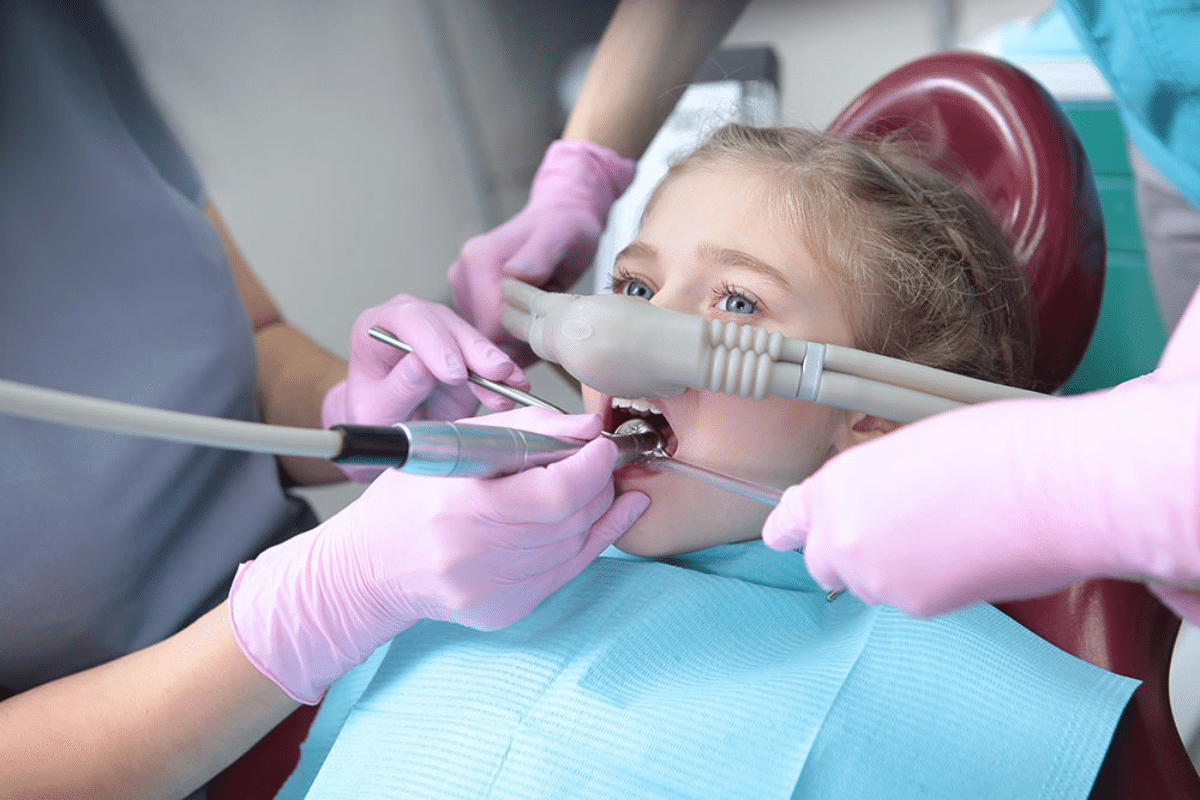
- Nitrous Oxide (Laughing Gas): This mild sedative helps children feel calm and is easy to administer. It wears off quickly after the procedure.
- Oral Sedation: This method involves taking a pill before the appointment. It provides a deeper level of sedation, allowing the child to be relaxed yet awake.
- IV Sedation: For more complex procedures, intravenous sedation may be used. This method allows for precise control over the sedation level.
Each option has its benefits, and the choice often depends on the child’s anxiety level and the type of procedure required.
Benefits of Dental Sedation for Children
Dental sedation offers several advantages for kids with dental anxiety:
- Reduced Anxiety: Sedation helps calm nerves, making children more comfortable in the dental chair.
- Increased Cooperation: Relaxed children are often more willing to follow the dentist’s instructions, facilitating smoother procedures.
- Pain Management: Many sedatives also have analgesic properties, reducing pain perception during treatment.
- Faster Appointments: When children are calm, procedures can be completed more quickly, minimizing time spent in the dental chair.
These benefits create a more positive experience, encouraging children to maintain regular dental check-ups.
Safety Considerations
Parents often worry about the safety of dental sedation. It’s essential to address these concerns by ensuring that:
- Qualified Professionals: Only experienced dentists administer sedation. They should be trained in managing sedation and emergencies.
- Pre-Procedure Evaluation: A thorough evaluation of the child’s medical history ensures appropriate sedation.
- Monitoring: Continuous monitoring during the procedure keeps the child safe and comfortable.
Discussing concerns with the dentist can alleviate worries and ensure a safe experience.
Preparing Your Child for Sedation
Preparation is vital to a successful experience with dental sedation. Here are some tips for parents:
- Explain the Process: Use age-appropriate language to explain what to expect. Let them know that sedation will help them feel relaxed and safe.
- Encourage Questions: Allow your child to ask questions. Answering their queries can help reduce anxiety.
- Discuss Aftercare: Explain how they might feel after the procedure, such as dizzy. This sets realistic expectations.
Preparing your child can foster a sense of control and comfort about the upcoming visit.
What to Expect During and After the Procedure?
Understanding the procedure can ease anxiety for both parents and children. During the appointment:
- Administration of Sedation: The dentist will explain how the sedation will be given, whether through gas, a pill, or an IV.
- Monitoring: The dental team will monitor vital signs and ensure your child is comfortable throughout the procedure.
After the procedure, your child may feel drowsy. It’s essential to:
- Stay with Them: Provide supervision until the sedation wears off.
- Hydration and Light Snacks: Offer water and light snacks as they feel better.
- Observe Behavior: Watch for unusual reactions, and consult the dentist if you have concerns.
This support helps your child recover comfortably and reinforces a positive dental experience.
Building Positive Associations with Dental Visits
Dental sedation can help create positive associations with dental visits. Here’s how to reinforce this positive experience:
- Celebrate Small Wins: Celebrate your child’s bravery after each appointment with a small treat or a fun activity.
- Routine Visits: Regular visits to the dentist can help normalize the experience, reducing anxiety over time.
- Positive Reinforcement: Use praise and encouragement to highlight their bravery during visits.
These strategies can help foster a healthier attitude towards dental care as your child grows.
Dental sedation plays a vital role in helping children overcome dental anxiety. By understanding the options available and preparing effectively, parents can ensure their children have a positive dental experience. Sedation not only alleviates fear but also promotes cooperation and comfort during visits. As a result, kids are more likely to develop healthy dental habits that last a lifetime. If you’re considering sedation for your child’s dental visit, consult a pediatric dentist to explore the best options tailored to their needs.